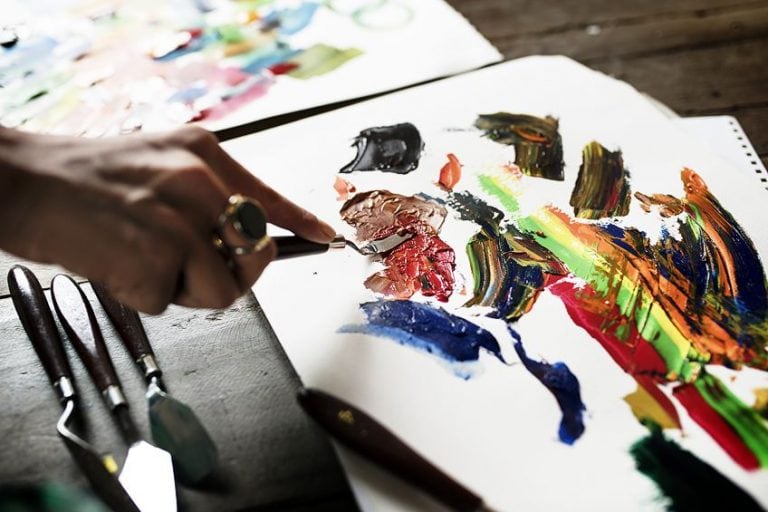
 Art has a unique way of giving shape to experiences that can be difficult to explain. A song can express grief. A painting can capture anxiety. A story can give meaning to painful memories. For many artists, creative expression is closely connected to emotional life. That connection can be deeply healing, but it can also become complicated when stress, trauma, anxiety, depression, or addiction enters the picture. Artists in recovery deserve support that recognizes the whole person, not simply the substance use or mental health symptoms. With compassionate treatment, healthy coping strategies, and meaningful creative outlets, artists can work through difficult experiences while protecting the creativity that makes them who they are.
Understanding Stress and Trauma in the Creative Life
Creative work often requires vulnerability. Artists share ideas, emotions, perspectives, and personal experiences with other people. Because of this, criticism, rejection, financial uncertainty, and professional pressure can feel particularly personal.
At the same time, many artists work irregular hours or manage unpredictable careers. Deadlines, performances, exhibitions, auditions, public expectations, and financial concerns can create ongoing stress.
When Stress Becomes Difficult to Manage
Short periods of stress are a normal part of life. Chronic stress, however, can affect sleep, concentration, mood, relationships, and physical health.
An artist experiencing prolonged stress may notice that creativity becomes harder rather than easier. A once enjoyable activity may begin to feel like an obligation. Motivation can decline, and emotional exhaustion can make even simple responsibilities feel overwhelming.
Without healthy coping strategies, some individuals may begin using alcohol or drugs to temporarily escape stress or uncomfortable emotions. Although substances may provide short term relief, they can ultimately intensify emotional and personal difficulties.
Recognizing this pattern is an important part of recovery.
Trauma Can Influence Mental Health and Addiction
Trauma can affect how a person understands safety, relationships, emotions, and their own sense of identity. Its effects may continue long after the original experience has ended.
For some artists, creative work becomes an important way to process painful experiences. However, trauma can also contribute to anxiety, depression, isolation, substance use, or difficulty regulating emotions.
Understanding Emotional Triggers
Recovery often involves identifying experiences that cause intense emotional reactions or cravings.
Triggers can vary from person to person. For an artist, they might include:
- Criticism or rejection
- Performance pressure
- Financial instability
- Relationship conflict
- Loneliness
- Memories associated with trauma
- Creative frustration
- Exhaustion
- Environments where substances are readily available
Understanding triggers does not mean avoiding every uncomfortable situation. Instead, it allows individuals to prepare for challenging moments and respond with healthier strategies.
A therapist can help identify patterns and develop practical techniques for managing difficult emotions.
How Creative Expression Can Support Healing
Creative expression can be a valuable addition to mental health and addiction recovery. It provides another way to explore emotions, communicate experiences, and reconnect with personal identity.
Create Without the Pressure to Perform
During recovery, creativity does not always need to be productive.
An artist might paint privately, write in a journal, play an instrument, sketch, take photographs, or experiment with a new medium. The goal is not necessarily to produce something impressive.
Instead, the goal is to reconnect with the experience of creating.
Removing performance expectations can help creativity become enjoyable again. It can also create a safe space for emotional exploration.
Use Art to Start Important Conversations
Sometimes a creative project reveals an emotion that was difficult to recognize.
A painting may bring attention to anger or sadness. A poem may reveal feelings of loneliness. A song may remind someone of an experience they have not fully processed.
These observations can become useful starting points for conversations with a therapist or trusted support person. Creative expression should complement professional treatment, rather than replace it.
Developing Healthier Ways to Manage Stress
Stress management is an important part of addiction recovery. When individuals have reliable coping tools, they are better prepared to respond to difficult emotions without returning to substance use.
Build a Personal Coping Toolbox
There is no single coping technique that works for everyone. A stronger approach is to develop several options.
Your coping toolbox might include:
- Deep breathing
- Meditation
- Prayer
- Journaling
- Walking or other physical activity
- Listening to calming music
- Calling someone you trust
- Attending a recovery meeting
- Practicing a creative activity
- Spending time in nature
- Speaking with a mental health professional
Keep your options practical. During a stressful moment, you should be able to use them without needing extensive preparation.
Protect Your Time and Energy
Artists can easily become consumed by their work. While dedication is valuable, constantly pushing yourself can increase burnout.
Set reasonable boundaries around creative work. Schedule breaks. Make room for sleep and meals. Allow yourself to spend time with people who support your recovery.
A healthy creative practice should contribute to your life rather than consume it.
Build Connection Instead of Isolation
Isolation can make addiction and mental health challenges more difficult to manage. Artists may need solitude to create, but prolonged disconnection from others can increase loneliness and emotional distress.
Develop a Supportive Recovery Network
Support can come from many places. Depending on your needs, it may include family, friends, therapists, peer recovery groups, mentors, spiritual leaders, or other artists who understand your experiences.
You do not need a large social circle. A few trustworthy people can make a meaningful difference.
Let people know how they can support you. That might mean checking in regularly, attending an appointment with you, encouraging healthy routines, or simply listening without judgment.
Professional Treatment Can Address the Bigger Picture
When addiction and mental health challenges occur together, addressing only one concern may leave important issues untreated. Comprehensive care can help individuals understand the relationship between substance use, trauma, stress, and emotional health.
Inpatient Treatment Can Create Space for Healing
Inpatient care provides a structured environment where individuals can focus on recovery away from some of the pressures of daily life.
For an artist struggling with significant substance use or mental health concerns, this structure can provide an opportunity to stabilize, develop healthier coping skills, explore underlying issues, and establish a foundation for continued recovery.
Stepping away from creative and professional demands for a period of time does not mean abandoning your identity. It can provide space to take care of the person behind the work.
Outpatient Treatment Supports Everyday Life
Outpatient care can provide continued professional support while allowing individuals to maintain important responsibilities.
For artists, this can make it possible to continue working toward recovery while gradually navigating creative projects, relationships, professional obligations, and everyday stress.
The appropriate level of care depends on each person’s circumstances and clinical needs.
A Holistic Approach to Recovery
Addiction recovery involves more than stopping substance use. Long term wellness can require attention to physical health, emotional well-being, relationships, personal values, and spiritual life.
A holistic approach recognizes these different areas and considers how they influence one another.
Faith Can Provide Hope and Meaning
For individuals who value spirituality, faith based support can become an important part of the healing process. Prayer, reflection, community, and spiritual guidance may provide comfort and a stronger sense of purpose.
Faith does not have to compete with professional mental health treatment. For many people, spiritual practices and clinical care can work together as complementary sources of support.
Individualized Care Matters
Every artist has a different history, creative identity, support system, and recovery goal. Treatment should reflect those differences.
Mi Arte Es Su Arte focuses on individualized addiction recovery and mental health support, with inpatient and outpatient options and approaches that can incorporate holistic and faith based care. A personalized treatment plan can help address the specific challenges affecting an individual’s recovery and overall well-being.
Creating a Sustainable Path Forward
Healing does not mean forgetting difficult experiences. It means developing healthier ways to live with them and move forward.
For artists, that process can include reconnecting with creativity while establishing boundaries that protect emotional health. It can mean learning to recognize triggers, seeking professional support, building healthy relationships, and finding ways to manage stress without relying on substances.
Most importantly, recovery does not require artists to stop being artists.
Creativity can remain an important part of identity and healing. The difference is that it no longer has to carry the entire burden of emotional survival.
Your Healing Story Is Still Being Written
Stress, trauma, and addiction can profoundly affect an artist’s life, but they do not have to define the future. With appropriate mental health treatment, addiction recovery support, healthy coping skills, and meaningful connection, artists can develop greater resilience and rediscover stability.
If substance use, trauma, anxiety, depression, or overwhelming stress is interfering with your life, reaching out for professional help is a meaningful step. Mi Arte Es Su Arte provides individualized approaches to addiction recovery and mental health care, including inpatient and outpatient support and holistic, faith based options.
Your creativity deserves room to grow, but so do you. Healing is not about losing the artist within you. It is about creating a healthier foundation from which that artist can continue to live, work, connect, and create.
Taking the first step can feel difficult. You do not have to take it alone.