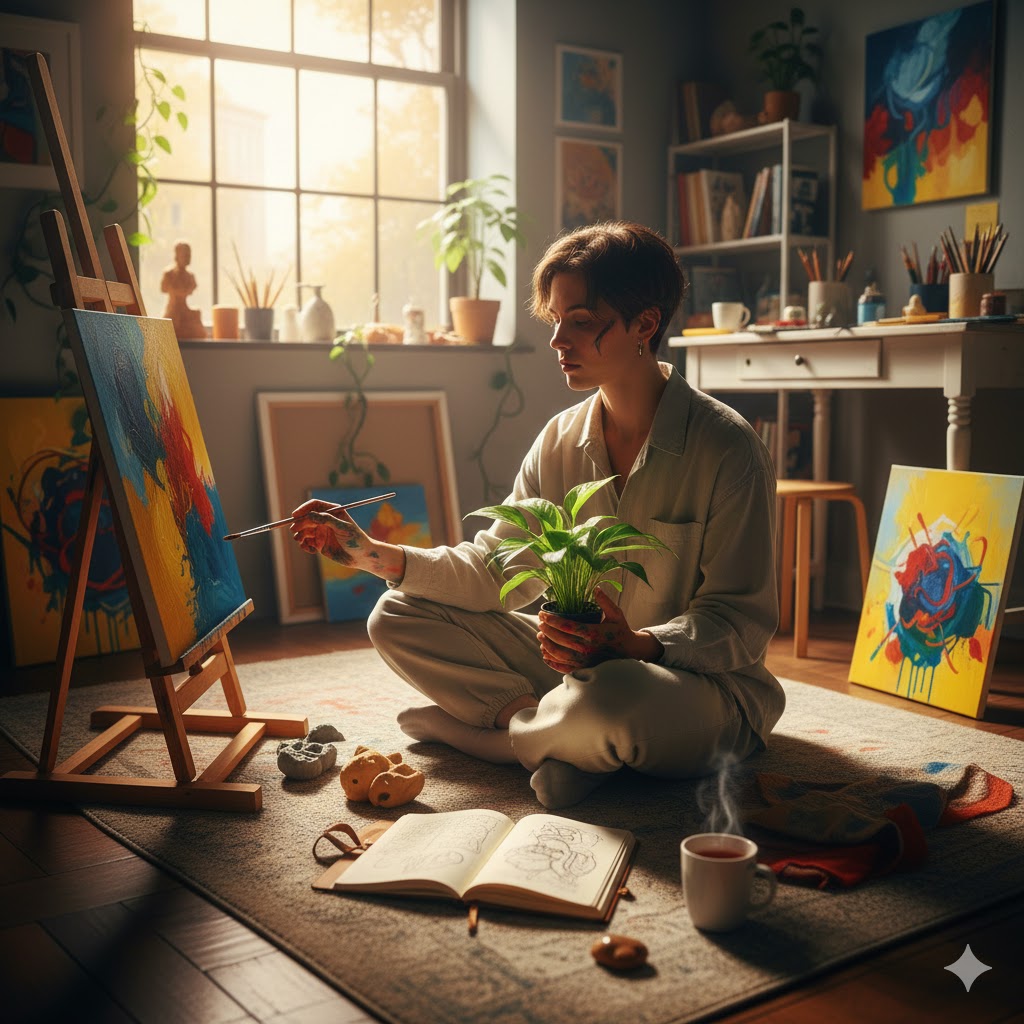
The Healing Palette: Using Creativity to Support Emotional Well-Being

Creativity is more than self-expression. For many people navigating addiction recovery, anxiety, depression, or trauma, it can become a powerful pathway toward healing. Artistic expression helps translate emotions that are difficult to put into words, offering relief, insight, and connection. At Mi Arte Es Su Arte, we understand that recovery is not only about stopping harmful behaviors. It is also about rebuilding emotional well-being, restoring identity, and rediscovering healthy ways to cope. Creativity can play a meaningful role in that journey.

How Creativity Supports Emotional Healing

Art has a unique ability to access emotions that may be buried or difficult to articulate. Whether through painting, writing, music, or movement, creative expression allows individuals to process internal experiences in a safe and constructive way.

Expressing Emotions Without Words

Many people in recovery struggle to describe what they feel. Art provides an alternative language. A blank canvas or journal page can become a place to release grief, anger, fear, or hope without judgment. This process often brings clarity and emotional relief, which supports long-term healing.

Reducing Stress and Emotional Overload

Engaging in creative activities has been shown to reduce stress and promote relaxation. The act of focusing on a creative task helps calm the nervous system and shift attention away from anxiety or cravings. Over time, this can strengthen emotional regulation and resilience.

Creativity in Addiction Recovery

In addiction recovery, developing healthy coping strategies is essential. Creativity offers a constructive outlet that can replace harmful behaviors and support emotional balance.

Replacing Unhealthy Coping Mechanisms

Substance use often becomes a way to manage overwhelming emotions. Creative expression provides a healthier alternative. Instead of numbing feelings, individuals learn to explore and understand them. This shift is an important part of building sustainable recovery.

Reconnecting With Identity and Purpose

Addiction can make individuals feel disconnected from themselves. Creative work helps rebuild identity by encouraging self-exploration and personal expression. As individuals create, they often rediscover interests, strengths, and values that support a more meaningful life in recovery.

Integrating Creativity With Professional Treatment

At Mi Arte Es Su Arte, we believe that healing is most effective when creativity is combined with structured clinical care. Our programs integrate mental health treatment, addiction recovery services, and holistic support to address the whole person.

Inpatient Care for Focused Healing

Inpatient treatment provides a safe and supportive environment where individuals can fully focus on recovery. Within this structure, creative expression can be introduced as part of therapeutic work, helping clients process emotions while receiving professional care.

Outpatient Care for Continued Growth

Outpatient programs allow individuals to maintain daily responsibilities while continuing treatment. Creative practices can be incorporated into everyday routines, helping reinforce coping skills and emotional stability outside of clinical settings.

Holistic and Faith Based Approaches to Creativity

Healing is not only physical or psychological. It also involves emotional and spiritual growth. Holistic care recognizes the importance of treating the whole person.

Mindfulness and Creative Practice

Mindfulness enhances creativity by encouraging presence and awareness. When individuals create with intention, they become more attuned to their thoughts and emotions. This practice can deepen healing and support emotional balance.

Faith Based Support for Meaning and Hope

For those who seek it, faith based support can provide additional strength and perspective during recovery. Combined with creative expression, it can help individuals find meaning in their experiences and build hope for the future.

Building Emotional Well-Being Through Creativity

Emotional well-being is not a destination. It is a process of learning, healing, and growth. Creativity plays a powerful role in that process by offering a safe space for expression, reflection, and transformation. Over time, creative practices can help individuals manage stress, strengthen self-awareness, and build healthier coping strategies.

Taking the Next Step Toward Healing

If you or someone you love is struggling with addiction, mental health challenges, or emotional distress, support is available. At Mi Arte Es Su Arte, we provide compassionate, individualized care designed to meet each person where they are. Our approach combines clinical treatment, holistic healing, and creative expression to support lasting recovery and emotional well-being.

You do not have to navigate this journey alone. Reaching out is a powerful first step toward healing, stability, and rediscovering your creative voice.

Finding Balance: Mental Health Strategies for Artists in Recovery

For many artists, creativity is both a source of joy and a source of pressure. The very traits that fuel imaginative work—emotional intensity, deep introspection, and sensitivity—can also make managing mental health more challenging. For artists in recovery, balancing emotional well-being with creative expression is crucial. Without effective strategies, anxiety, depression, or the lingering effects of past substance use can interfere with both recovery and artistic growth. Fortunately, with the right tools and support, artists can achieve balance, sustain their creative passions, and strengthen their mental health.

Understanding the Unique Challenges Artists Face

Artists often experience heightened emotions and introspection, which can be both a gift and a challenge. While these qualities enhance creative work, they can also amplify stress and vulnerability. Many creatives in recovery find themselves juggling the pressures of performance, personal expectations, and public perception while maintaining sobriety. Recognizing these challenges is the first step toward building resilience and implementing practical mental health strategies.

The Risk of Isolation and Emotional Strain

Creative work often requires periods of solitude. For artists in recovery, this isolation can intensify feelings of loneliness and increase the risk of relapse. Without intentional support, emotional struggles can feel overwhelming, impacting both personal wellness and artistic output.

Navigating Pressure and Performance Anxiety

External pressures, such as deadlines, audience expectations, and peer comparison, can heighten stress. Artists may fear that seeking help will affect their careers or public image. Acknowledging these pressures and learning healthy ways to cope is essential for sustaining both recovery and creative productivity.

Practical Mental Health Strategies for Artists in Recovery

Implementing structured strategies can help artists maintain mental health while fostering creativity. These approaches combine self-care, professional guidance, and holistic practices.

Establishing Healthy Daily Routines

Consistency supports stability. Regular sleep, balanced nutrition, physical activity, and dedicated creative time provide structure for both recovery and artistic work. Predictable routines reduce stress and create a foundation for emotional resilience.

Mindfulness and Emotional Awareness

Practices such as meditation, journaling, and focused breathing cultivate mindfulness and emotional awareness. By observing thoughts and emotions without judgment, artists can identify triggers, manage anxiety, and make intentional choices rather than relying on harmful coping mechanisms.

Integrating Creative Expression Into Healing

Artistic expression itself can be a therapeutic tool. Painting, music, writing, and other creative outlets allow artists to explore emotions safely, process personal experiences, and release stress. When incorporated into recovery programs, creative work strengthens self-awareness and supports sustained mental health.

Building Connection and Support Networks

Recovery is strengthened through connection. Supportive relationships, peer groups, mentors, and therapists provide accountability, encouragement, and understanding. Engaging with others who share similar challenges helps reduce isolation and fosters resilience.

Professional and Holistic Support

Mi Arte Es Su Arte offers individualized programs that combine addiction recovery, mental health treatment, and holistic care. Inpatient programs provide structured environments for focused healing, while outpatient programs allow artists to continue creative and professional responsibilities while receiving consistent support. Holistic and faith-based therapies complement clinical treatment to address the mind, body, and spirit.

Peer Engagement and Community

Connecting with peers, participating in support groups, or collaborating on projects strengthens social bonds and reinforces recovery goals. Community involvement offers validation, inspiration, and a sense of belonging, which is vital for emotional health and creative growth.

Moving Forward With Balance

Artists in recovery can thrive by intentionally balancing creativity with mental health practices. Healthy routines, mindfulness, creative expression, and supportive connections empower artists to sustain their recovery while pursuing meaningful artistic work. Emotional well-being and creative fulfillment can coexist, each enhancing the other.

Taking the Next Step

If you or someone you love is navigating recovery or mental health challenges, professional help is available. Mi Arte Es Su Arte provides compassionate, individualized care tailored to the unique needs of artists. By reaching out for support, artists can cultivate balance, strengthen resilience, and continue to create with clarity and purpose. Taking the first step toward help opens the door to lasting recovery, renewed creativity, and emotional well-being.

Beyond the Spotlight: Building Resilience and Connection for Artists in Recovery

Artists often live in the glare of public attention, yet behind the applause, many struggle with isolation, anxiety, and the ongoing challenges of recovery. Creative work can be deeply rewarding, but it can also intensify emotional vulnerability and make sustaining mental health more difficult. For artists navigating recovery from addiction, building resilience and fostering meaningful connections are essential steps toward long-term well-being and sustainable creativity.

Understanding the Unique Challenges Artists Face

Creative professions demand vulnerability and self-expression. While this openness fuels art, it can also increase the risk of emotional strain. Artists in recovery frequently experience anxiety, depression, and the lingering effects of past substance use, all while attempting to maintain productivity and public presence.

Isolation and Its Impact on Recovery

Artists often spend long hours working alone, which can contribute to feelings of loneliness and disconnection. In recovery, isolation can be particularly dangerous, increasing the likelihood of relapse and worsening emotional distress. Recognizing the risks of solitude and intentionally cultivating connection are key strategies for maintaining both mental health and creative vitality.

External Pressures and the Fear of Vulnerability

The pressure to perform or maintain an image of success can create additional stress for artists. Many fear that seeking help or admitting struggles will damage their careers or creative reputation. Overcoming this stigma is an important step toward building resilience and fostering a supportive network.

Strategies to Build Resilience

Resilience is the ability to navigate adversity while maintaining emotional stability. Artists can strengthen resilience through intentional practices that support both recovery and creativity.

Establishing Healthy Routines

Structured routines provide stability and reduce stress. Consistent sleep, balanced nutrition, regular exercise, and scheduled creative work help regulate mood and energy levels. These habits create a foundation for both personal well-being and sustainable artistic practice.

Mindfulness and Emotional Awareness

Mindfulness practices, including meditation, journaling, and focused breathing, allow artists to observe their thoughts and emotions without judgment. Emotional awareness enables individuals to identify triggers, manage anxiety, and respond to challenges in a healthy way, rather than relying on substances or avoidance.

Using Creative Expression as Therapy

Artistic work itself can be a tool for healing. Painting, music, writing, and other creative outlets offer a safe way to process feelings, release stress, and explore personal experiences. Integrating creative expression into recovery programs enhances self-awareness and strengthens emotional resilience.

Cultivating Connection and Support

Recovery thrives in the presence of supportive relationships. Building connection with peers, mentors, therapists, and community members provides accountability, encouragement, and understanding.

Professional and Holistic Support

Mi Arte Es Su Arte offers individualized programs that address mental health, addiction recovery, and holistic well-being. Inpatient programs provide structured, immersive support for intensive healing, while outpatient programs allow artists to continue their creative and professional responsibilities while receiving consistent care. Holistic therapies, creative interventions, and faith-based guidance complement clinical treatment to foster comprehensive recovery.

Peer Engagement and Community

Participation in peer support groups, collaborative projects, and mentorship programs strengthens social bonds and reduces feelings of isolation. Sharing experiences with others who understand the creative journey validates emotions, builds empathy, and reinforces commitment to recovery.

Moving Beyond the Spotlight

Artists in recovery can thrive when they actively cultivate resilience and meaningful connections. By implementing healthy routines, practicing mindfulness, engaging in creative expression, and seeking professional and community support, artists can maintain mental health while sustaining their creative careers. Recovery and creativity do not have to be at odds; in fact, they can support one another to create a balanced, fulfilling life.

Taking the Next Step

If you or a loved one is navigating recovery, mental health challenges, or the pressures of creative life, help is available. Mi Arte Es Su Arte provides compassionate, individualized care that honors both personal growth and creative identity. Reaching out for support is a courageous first step toward emotional well-being, lasting recovery, and renewed creative inspiration. Take the next step today and build a foundation for resilience, connection, and thriving beyond the spotlight.

Art, Addiction, and Healing: Tools to Support Emotional Well-Being for Creatives

For many creatives, art is more than a career or hobby. It is a way of processing the world. Artists often experience emotions deeply, translating complex feelings into powerful work. However, this same emotional intensity can sometimes make artists more vulnerable to anxiety, depression, and substance use. When addiction and mental health challenges enter the picture, creativity may feel overshadowed by exhaustion, isolation, or self-doubt. The path forward lies in recognizing that healing and creativity can exist together. With the right tools, artists can protect their emotional well-being while continuing to nurture their creative voice.

Understanding the Connection Between Art and Emotional Health

Creativity thrives on emotional awareness. Artists frequently draw from personal experiences, memories, and internal struggles to shape their work. While this depth can produce meaningful art, it can also expose individuals to emotional strain.

Over time, unmanaged stress or unresolved trauma may lead some creatives to use alcohol or drugs to cope with pressure, quiet intrusive thoughts, or escape emotional pain. Unfortunately, substance use often worsens anxiety and depression rather than relieving them. This cycle can interfere with both artistic expression and personal stability.

Recognizing this connection is the first step toward healing. Recovery does not diminish creativity. Instead, it helps artists regain clarity, focus, and emotional balance.

Why Emotional Well Being Matters in Recovery

Sustained recovery requires more than abstaining from substances. It involves building a life that supports mental, emotional, and spiritual health. When emotional well-being improves, artists often rediscover their passion and motivation for creative work.

Addressing Mental Health and Addiction Together

Mental health conditions such as anxiety, depression, and trauma often exist alongside substance use disorders. Effective treatment addresses both areas simultaneously. When artists receive comprehensive care that considers the whole person, recovery becomes more stable and sustainable.

Replacing Harmful Coping Mechanisms

Artists sometimes rely on substances to manage creative pressure or emotional discomfort. Recovery introduces healthier coping strategies that support resilience and reduce relapse risk. These tools empower artists to face challenges with clarity and confidence.

Practical Tools to Support Emotional Well Being

Artists can strengthen their recovery journey by developing habits and practices that protect their mental health while supporting creative expression.

Mindful Creative Expression

Creative work itself can become a powerful recovery tool when approached with intention. Painting, writing, music, and other artistic practices allow individuals to explore emotions safely. Instead of suppressing feelings, artists learn to transform them into meaningful expression.

Mindfulness during creative work encourages focus on the present moment. This practice reduces anxiety and helps individuals reconnect with the joy of the creative process rather than the pressure of perfection.

Building Healthy Structure

Creative careers often involve irregular schedules, which can disrupt sleep and increase stress. Establishing healthy routines helps stabilize mood and energy levels. Consistent sleep, balanced nutrition, and regular physical activity strengthen both mental health and recovery.

Structured time for creativity can also reduce overwhelm. When artists create within healthy boundaries, inspiration becomes sustainable rather than exhausting.

Strengthening Support Systems

Isolation is common among creatives. However, recovery flourishes through connection. Support groups, therapy, mentors, and trusted peers provide accountability and encouragement.

Talking openly about struggles reduces shame and reminds artists they are not alone. Shared experiences often lead to powerful insights and renewed motivation.

The Role of Professional and Holistic Treatment

Recovery is most effective when supported by professional care. At Mi Arte Es Su Arte, treatment is designed to honor the individuality of each client while addressing the full spectrum of mental health and addiction recovery.

Inpatient Programs for Focused Healing

Inpatient care provides a safe and structured environment where artists can step away from external stressors and focus on recovery. Clinical therapy, emotional support, and creative exploration work together to promote healing.

Outpatient Care for Ongoing Support

Outpatient programs allow individuals to maintain daily responsibilities while continuing treatment. These programs help artists apply recovery strategies in real life situations, strengthening resilience and long term stability.

Holistic and Faith Based Approaches

Holistic care supports healing of the mind, body, and spirit. Practices such as mindfulness, wellness activities, and creative therapies encourage balance and self awareness. Faith based guidance is available for individuals who seek spiritual support during recovery. Each treatment plan is personalized to reflect the values, needs, and goals of the client.

Moving Forward With Creativity and Healing

Artists do not need to sacrifice creativity in order to protect their mental health. In fact, emotional wellness often strengthens artistic expression. When artists learn to care for themselves, their work gains clarity, authenticity, and depth.

Recovery is a journey that unfolds step by step. With healthy coping tools, supportive relationships, and compassionate professional care, artists can transform struggle into growth and rediscover the creative spark that first inspired them.

Taking the Next Step Toward Recovery

If you or someone you love is struggling with addiction or mental health challenges, help is available. Mi Arte Es Su Arte offers individualized addiction recovery services, mental health treatment, and holistic care designed to support the unique needs of creatives.

Reaching out for help is not a sign of weakness. It is a powerful step toward healing, connection, and renewed creative purpose. Support, understanding, and professional guidance can help you move forward with confidence and emotional well-being.

Sustaining Your Muse: How Artists Can Balance Mental Health and Recovery

For many artists, creativity is both a calling and a lifeline. It brings joy, purpose, and a sense of identity. At the same time, artists often face unique challenges that can threaten mental health and recovery. Anxiety, depression, and the pressures of creative work can make maintaining balance difficult. Learning how to sustain your muse while protecting emotional well-being is essential for both personal health and long-term artistic growth.

Understanding the Connection Between Creativity and Mental Health

Artists are naturally sensitive and introspective. These traits allow for profound creative expression but can also make individuals more vulnerable to stress, emotional fluctuations, and substance use. Anxiety and depression can interfere with focus, productivity, and inspiration, while untreated mental health challenges can increase the risk of relapse in recovery.

Why Balance is Crucial

Maintaining mental health is not separate from creative work. When an artist’s well-being is compromised, it can affect artistic output, relationships, and overall quality of life. Recovery and creativity are interconnected, and nurturing both is vital to sustaining a fulfilling, productive life in the arts.

Practical Strategies for Balancing Creativity and Wellness

Artists can take actionable steps to protect their mental health while staying engaged with their craft. These strategies support both recovery and creative expression.

Establishing Healthy Routines

Structured daily routines provide stability and reduce stress. Consistent sleep, balanced nutrition, regular exercise, and designated creative time can help regulate mood and maintain energy. Predictable schedules create an environment where both recovery and artistic work can thrive.

Mindfulness and Emotional Awareness

Mindfulness techniques, such as meditation, journaling, or breathing exercises, help artists stay present and manage anxiety. Developing emotional awareness allows individuals to recognize triggers, process feelings safely, and make intentional choices instead of turning to substances or unhealthy coping mechanisms.

Building Supportive Connections

Isolation is a common challenge for artists, especially during recovery. Peer support groups, mentors, and therapy provide accountability, understanding, and encouragement. Sharing experiences and seeking guidance reduces loneliness and strengthens resilience, which benefits both mental health and creativity.

Integrating Creative Expression into Healing

Creative work can itself be therapeutic. Painting, writing, music, and other forms of artistic expression provide safe outlets for emotions, self-reflection, and stress release. At Mi Arte Es Su Arte, creative therapies are incorporated into treatment plans, allowing clients to explore their inner world while supporting recovery and emotional wellness.

Professional and Holistic Support for Artists

Recovery and mental health care are most effective when individualized and holistic. Mi Arte Es Su Arte offers both inpatient and outpatient programs tailored to the unique needs of artists. Holistic approaches, including faith-based support, mindfulness practices, and creative therapies, reinforce emotional, physical, and spiritual well-being. Personalized treatment plans ensure that each artist receives care that aligns with their goals and creative identity.

Inpatient Care for Intensive Support

Inpatient programs provide a structured environment where artists can focus on recovery and healing without external pressures. This immersive care supports emotional stability, provides therapeutic interventions, and nurtures creative exploration in a safe setting.

Outpatient Programs for Sustainable Recovery

Outpatient care allows artists to maintain daily responsibilities while receiving consistent support. Flexible programs provide ongoing therapy, skill-building, and creative engagement, helping individuals apply recovery strategies in real-world settings.

Moving Forward with Balance and Inspiration

Balancing mental health and recovery does not mean sacrificing creativity. By adopting healthy routines, practicing mindfulness, building supportive relationships, and integrating creative expression into treatment, artists can protect their well-being while sustaining their muse. Recovery and creativity can coexist, each strengthening the other to support a more resilient, fulfilled life.

Taking the Next Step

Artists do not need to face mental health challenges or recovery alone. Seeking help is a courageous step that preserves both well-being and creative potential. Mi Arte Es Su Arte provides compassionate, individualized care that combines addiction recovery, mental health treatment, holistic therapies, and faith-based support to help artists thrive personally and professionally. Reach out today to begin the journey toward balance, wellness, and lasting creative inspiration.
Creativity and Calm: Practical Strategies for Artists Managing Anxiety and Depression

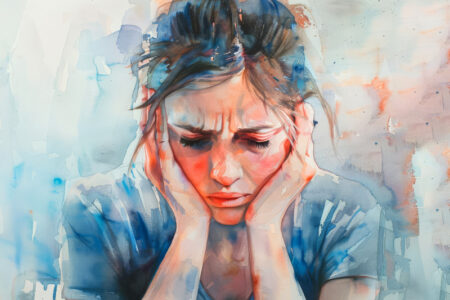
Artists live in a world of emotion, imagination, and self-expression. While these qualities fuel creativity, they can also leave individuals vulnerable to anxiety, depression, and emotional overwhelm. For artists navigating these challenges, finding balance is essential not only for mental wellness but also for sustaining creative work. The good news is that practical strategies and professional support can help artists cultivate calm, manage symptoms, and continue to thrive personally and professionally.
Understanding Anxiety and Depression in Artists

Artists often experience heightened sensitivity and introspection, which can make them more prone to mental health challenges. Anxiety may manifest as self-doubt, creative blocks, or constant worry, while depression can appear as low energy, lack of motivation, or a sense of disconnection from their work. These struggles can sometimes lead to unhealthy coping strategies, including substance use, which can exacerbate both mental health and recovery challenges.

The Importance of Recognizing Symptoms Early

Awareness is the first step toward wellness. Identifying patterns of anxiety or depression allows artists to seek timely support before symptoms escalate. Recognizing triggers, emotional patterns, and early warning signs creates opportunities to implement coping strategies that prevent relapse and promote sustained recovery.

Practical Strategies to Manage Anxiety and Depression

Artists can use structured techniques and creative practices to navigate mental health challenges. These strategies are most effective when combined with professional care, individualized treatment plans, and holistic support.

Mindful Creative Practice

Integrating mindfulness into artistic work helps regulate emotions and reduce stress. Techniques such as intentional breathing, journaling, or focusing fully on the creative process allow artists to stay present, transform anxiety into productive energy, and enhance emotional resilience.

Establishing Healthy Routines

Maintaining regular sleep, nutrition, and exercise routines supports both mental health and creativity. Structured schedules reduce uncertainty and provide stability, which is particularly important for artists who may work irregular hours or face the pressure of creative deadlines.

Building Support Networks

Isolation can worsen anxiety and depression. Connecting with peers, mentors, or support groups fosters understanding and accountability. Sharing experiences and challenges with others who understand the creative process provides emotional validation and reduces feelings of loneliness.

Seeking Professional and Holistic Care

At Mi Arte Es Su Arte, treatment plans combine mental health therapy, addiction recovery services, and holistic approaches tailored to individual needs. Inpatient programs provide structured, immersive support, while outpatient programs allow artists to maintain creative responsibilities while receiving consistent care. Holistic therapies, creative expression, and faith-based support further reinforce emotional balance and self-awareness.

Incorporating Creative Expression Into Recovery

Artistic expression is not only a career or hobby; it can also be a therapeutic tool. Painting, writing, music, and other creative outlets allow artists to process emotions safely, explore personal narratives, and build coping skills. These practices complement formal therapy and help artists reconnect with their passions in ways that promote healing and resilience.

Moving Toward Calm and Sustained Wellness

Managing anxiety and depression does not mean suppressing creativity. Instead, it involves creating conditions that allow both personal well-being and artistic growth to flourish. With mindful practices, healthy routines, supportive connections, and professional guidance, artists can navigate mental health challenges while sustaining their creative expression.

Taking the Next Step

Artists do not have to face anxiety, depression, or addiction alone. Seeking help is a courageous and empowering choice. Mi Arte Es Su Arte offers compassionate, individualized programs designed to support mental health, foster recovery, and honor creative identity. Reaching out today is the first step toward calm, resilience, and a balanced, fulfilling life both personally and creatively.

From Isolation to Connection: Mental Health Insights for Artists in Recovery

Artists often live in a world of introspection and imagination. While this inner focus fuels creativity, it can also lead to feelings of isolation, anxiety, and depression. For artists in recovery, these challenges can be especially pronounced, as they navigate the complexities of mental health and substance use while trying to maintain their creative identity. Understanding these dynamics and building meaningful connections are essential steps toward lasting recovery and emotional wellness.

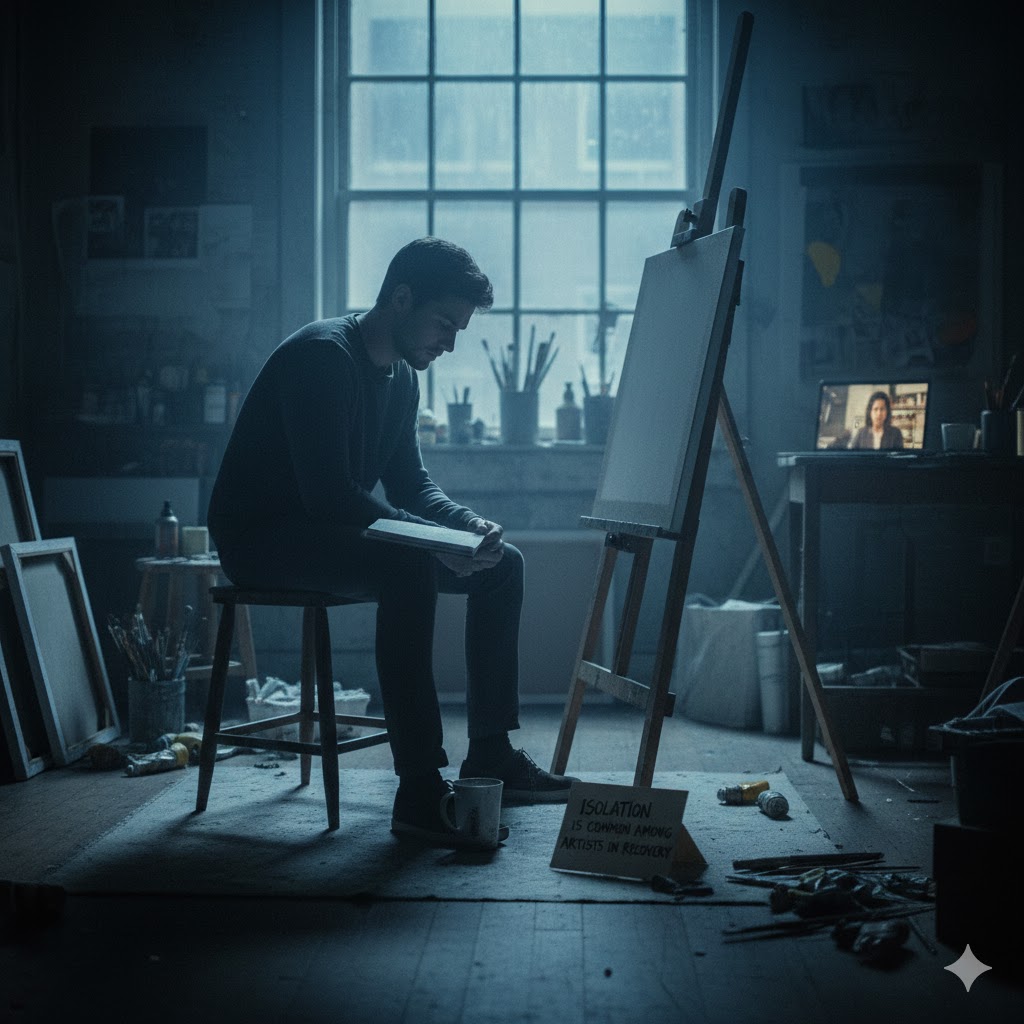
Why Isolation is Common Among Artists in Recovery

Creatives frequently spend long hours alone developing their craft. This solitude, while necessary for artistic growth, can intensify feelings of disconnection and loneliness. In recovery, isolation can become particularly risky. Without supportive relationships, artists may struggle to manage triggers, cope with stress, or maintain healthy routines.

The Emotional Toll of Solitude

Extended periods of isolation can amplify anxiety, depression, and self-doubt. Artists may feel disconnected from peers, audiences, or loved ones, leading to a cycle of withdrawal that can threaten recovery progress. Recognizing these patterns is the first step toward cultivating connection and resilience.

The Intersection of Addiction and Mental Health

Substance use often serves as a coping mechanism for emotional distress. For artists in recovery, addressing both mental health and addiction is crucial. Effective treatment focuses on holistic care that acknowledges the interplay between emotional well-being, creative identity, and sobriety.

Strategies to Foster Connection in Recovery

Recovery is not only about abstaining from substances but also about rebuilding meaningful relationships and community ties. Establishing support systems helps artists stay accountable, reduce isolation, and enhance emotional stability.

Engaging in Peer Support

Peer support groups, whether in person or virtual, provide a safe space to share experiences, challenges, and triumphs. Connecting with others who understand the creative process and recovery journey can foster empathy, encouragement, and inspiration.

Integrating Therapy and Counseling

Professional therapy offers individualized guidance for managing anxiety, depression, and stress. Counseling sessions can help artists develop coping strategies, navigate personal relationships, and reconcile their creative identity with the recovery process.

Creative Collaboration as Connection

Participating in collaborative projects or community art initiatives encourages social interaction and shared purpose. Working alongside others can provide structure, reduce loneliness, and promote accountability while allowing artists to express themselves authentically.

Holistic and Faith-Based Approaches to Support

At Mi Arte Es Su Arte, recovery programs are designed with the whole person in mind. Holistic approaches, including mindfulness, movement, and creative expression, support emotional regulation and overall wellness. Faith-based support is available for those seeking spiritual guidance, providing hope, grounding, and a sense of purpose during recovery.

Individualized Treatment Plans

Every artist’s journey is unique. Treatment plans are personalized to reflect individual needs, creative passions, and mental health goals. By honoring both recovery and artistic identity, clients are empowered to reconnect with themselves and their communities.

From Isolation to Renewal

Moving from isolation to connection is a vital part of recovery. Establishing supportive relationships, engaging in creative collaboration, and embracing holistic care creates a foundation for sustained mental health and creative growth. Artists who integrate these strategies often find greater emotional resilience, renewed purpose, and lasting sobriety.

Taking the Next Step Toward Support

Recovery is a journey, and no one should navigate it alone. If you or a loved one is an artist struggling with addiction, anxiety, or depression, reaching out for help is the first step toward meaningful change. Mi Arte Es Su Arte offers compassionate, client-centered care that combines mental health treatment, addiction recovery, holistic practices, and faith-based guidance to help artists reconnect with themselves and their communities. Begin the journey from isolation to connection today and embrace a balanced, fulfilling life in both art and wellness.

Healing Through Art and Support: How Creative Expression Can Aid Recovery and Mental Health

Art is more than a form of expression. For many individuals facing addiction, anxiety, depression, or trauma, creative outlets can serve as a pathway to healing. Engaging in art, music, writing, or other forms of creativity provides a safe and constructive way to process emotions, build resilience, and reconnect with purpose. When combined with professional treatment and holistic support, creative expression becomes a powerful tool in recovery and mental wellness.

The Role of Creative Expression in Healing

Artists and non-artists alike can benefit from the therapeutic effects of creativity. Art allows individuals to externalize feelings that may be difficult to articulate verbally. Visualizing pain, anxiety, or confusion on canvas or through writing can make emotions more manageable. This process can reduce stress, improve self-awareness, and foster a sense of accomplishment, which is essential in recovery.

Emotional Release and Insight

Creative expression provides a safe outlet for difficult emotions. Rather than turning to substances or harmful coping mechanisms, individuals can channel energy into a productive and meaningful activity. Art can reveal hidden thoughts and feelings, helping clients and therapists explore underlying issues and identify triggers in a supportive setting.

Building Confidence and Purpose

Addiction and mental health challenges often erode self-esteem and leave individuals feeling disconnected from their goals. Participating in creative projects can restore confidence, instill pride in accomplishments, and encourage a sense of purpose. This boost in self-worth contributes to long-term recovery and emotional resilience.

Integrating Art Into Recovery Programs

At Mi Arte Es Su Arte, creative expression is integrated into individualized treatment plans alongside clinical care. Programs combine traditional therapy, holistic practices, and faith-based support with art-based interventions to promote comprehensive healing.

Inpatient Programs: Safe Space for Exploration

Inpatient care provides structured time for individuals to engage deeply in both therapy and creative activities. In a safe, supportive environment, clients can focus on recovery while exploring emotions through art. This combination of clinical and expressive therapies enhances emotional regulation and personal growth.

Outpatient Programs: Sustaining Recovery Through Creativity

Outpatient services allow clients to maintain treatment while reintegrating into daily life. Creative practices can be incorporated into home routines or community projects, reinforcing coping skills, and offering ongoing opportunities for reflection and emotional release. This integration ensures that creativity continues to support recovery long after formal treatment ends.

Holistic and Faith-Based Approaches

Recovery is not solely about abstinence from substances. True wellness encompasses mental, physical, and spiritual health. Holistic approaches at Mi Arte Es Su Arte may include mindfulness exercises, movement therapy, and faith-based support, alongside creative activities. These methods help clients reconnect with their inner selves, build resilience, and cultivate hope.

Individualized Care That Honors Creativity

Every client’s journey is unique. Treatment plans are tailored to each person’s strengths, interests, and creative talents. By honoring individual expression, Mi Arte Es Su Arte ensures that creative work becomes not only a form of therapy but also a source of joy, purpose, and personal identity.

Moving Forward With Art and Support

Creative expression is a bridge between inner healing and outward growth. When combined with professional mental health care, addiction treatment, and holistic support, it provides practical tools for managing stress, reducing relapse risk, and nurturing emotional well-being. Art does not replace therapy, but it enhances recovery by offering a meaningful way to process emotions, celebrate progress, and sustain hope.

If you or a loved one is navigating addiction, mental health challenges, or trauma, reaching out for help is the first step. At Mi Arte Es Su Arte, compassionate and individualized support helps clients harness creativity as a source of healing and transformation. Begin your journey today and discover the restorative power of art combined with expert care.

The Artist’s Inner World: Understanding Anxiety, Depression, and Healthy Coping Strategies

Creativity often comes from a deeply reflective inner world. For many artists, that inner space is rich with emotion, imagination, and sensitivity. At the same time, it can also hold anxiety, depression, and unspoken pain. These mental health challenges are common among creatives and they are treatable. Understanding what is happening beneath the surface is a powerful step toward healing, balance, and lasting recovery.

Why Artists Are Vulnerable to Anxiety and Depression

Artists frequently experience the world more intensely than others. This emotional openness can enrich creative work, but it can also increase vulnerability to mental health struggles. Long hours of solitary work, financial uncertainty, performance pressure, and public criticism all contribute to emotional stress.

Anxiety may show up as constant self doubt, creative paralysis, or fear of failure. Depression can feel like emotional numbness, exhaustion, or loss of purpose. When these conditions go untreated, some artists turn to substances in an attempt to cope, focus, or escape. Over time, this can lead to addiction and deeper emotional distress.

The Connection Between Mental Health and Addiction

Anxiety and depression often coexist with substance use disorders. Alcohol or drugs may temporarily quiet racing thoughts or lift heavy emotions, but the relief does not last. Instead, substance use can intensify mental health symptoms and create a cycle that feels impossible to break without help.

Effective treatment must address both mental health and addiction together. Treating one without the other often leads to relapse or unresolved emotional pain.

Healthy Coping Strategies That Support Artists

Healing does not mean suppressing emotion or creativity. It means learning how to care for mental health in ways that support long term well being and artistic growth.

Developing Emotional Awareness

Therapy helps artists identify emotional patterns and triggers. Understanding where anxiety or depression originates allows individuals to respond with intention rather than avoidance. This awareness often becomes a source of creative clarity rather than conflict.

Replacing Harmful Coping With Supportive Tools

Healthy coping strategies can include structured routines, mindfulness practices, creative expression with boundaries, and physical movement. These tools reduce overwhelm and help regulate mood. When supported by professional guidance, they become reliable alternatives to substance use.

Reframing Creativity and Self Worth

Many artists tie their self worth directly to output or recognition. Treatment encourages a healthier perspective where value is not dependent on productivity. This shift reduces anxiety and creates space for creativity to flow more naturally.

Treatment Options Designed for the Whole Person

At Mi Arte Es Su Arte, care is individualized and client centered. Programs are designed to meet artists where they are, honoring their creativity while addressing mental health and addiction with professionalism and compassion.

Inpatient Mental Health and Addiction Treatment

Inpatient care provides a structured, supportive environment where artists can focus entirely on healing. This level of care is especially helpful for those experiencing severe anxiety, depression, or substance dependence. Clinical support, therapy, and holistic services work together to stabilize both mind and body.

Outpatient Care for Ongoing Support

Outpatient programs allow individuals to continue their creative and personal responsibilities while receiving consistent treatment. This option supports long term recovery by helping artists apply coping strategies in daily life while maintaining accountability and connection.

Holistic and Faith Based Healing Approaches

True healing addresses more than symptoms. Holistic care supports mental, emotional, physical, and spiritual well being. Creative therapies, mindfulness, and wellness practices help artists reconnect with themselves in healthy ways.

Faith based support is available for those who seek it, offering hope, meaning, and grounding during recovery. These elements are integrated with respect and never imposed. Each treatment plan reflects the individual’s beliefs, needs, and goals.

Moving Toward Balance and Recovery

Anxiety and depression do not define an artist’s identity. With the right support, creatives can learn to manage emotions, protect their mental health, and sustain recovery without sacrificing their passion.

Seeking help is not a weakness. It is an act of courage and self respect. At Mi Arte Es Su Arte, artists are supported with compassion, expertise, and personalized care that recognizes both the challenges and the potential within each individual.

If you or someone you love is struggling with mental health challenges or addiction, help is available. Reaching out today can open the door to healing, stability, and a more balanced creative life.

ChatGPT can make mistakes. Check important info.

Beyond the “Tortured Artist” Myth: Real Tools for Mental Wellness and Addiction Recovery

For generations, society has romanticized the idea of the tortured artist. Struggle is often portrayed as the price of creativity, and pain is framed as fuel for great art. While emotional depth can inspire meaningful expression, suffering is not a requirement for talent or authenticity. In reality, untreated mental health challenges and addiction can quietly erode both creative ability and personal well being. Artists deserve support, stability, and healing just as much as they deserve space to create.
Where the “Tortured Artist” Myth Falls Short

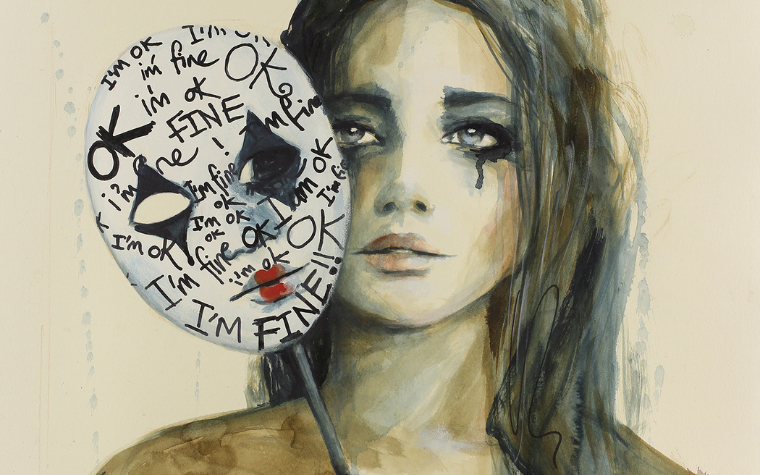
The belief that pain enhances creativity can be deeply harmful. It discourages artists from seeking help and reinforces the idea that recovery will somehow dull their artistic edge. In truth, mental wellness often strengthens creativity by restoring clarity, focus, and emotional balance.

Many artists live with anxiety, depression, trauma, or substance use disorders while continuing to perform, produce, and meet expectations. Over time, this imbalance becomes exhausting. Creativity may survive for a while, but personal health often suffers.

The Pressure to Perform Through Pain

Artists frequently work in environments where instability is normalized. Irregular schedules, financial stress, public scrutiny, and creative competition can intensify emotional strain. When these pressures go unaddressed, alcohol or drugs may become a way to cope, unwind, or stay productive. What starts as relief can quickly turn into dependency.

Silence and Isolation

Another consequence of the myth is isolation. Many creatives believe they must handle everything on their own. Admitting the need for mental health treatment or addiction recovery can feel like failure. This silence often delays care and allows symptoms to worsen.

Real Tools for Mental Wellness and Recovery

Healing does not require abandoning creativity. In fact, recovery can protect it. At Mi Arte Es Su Arte, treatment is designed to honor both the individual and the artist, addressing mental health and addiction with compassion, structure, and respect.

Comprehensive Mental Health Treatment

Mental wellness begins with understanding. Anxiety, depression, mood disorders, and trauma are common among artists and highly treatable. Professional therapy helps individuals recognize patterns, regulate emotions, and develop healthy coping skills. This process creates a foundation where creativity can thrive without chaos.

Addiction Recovery Rooted in Individual Care

Addiction rarely exists in isolation. It is often connected to emotional pain, unresolved trauma, or untreated mental health conditions. Effective recovery addresses the whole person, not just the substance. Individualized treatment plans allow artists to explore the root causes of addiction while building sustainable tools for long term recovery.

Inpatient and Outpatient Options That Support Creative Lives

Inpatient Care for Focused Healing

Inpatient treatment offers a safe and structured environment where artists can step away from daily pressures. This level of care allows individuals to focus fully on healing, supported by clinical professionals and a therapeutic community. For many, this space becomes the turning point toward lasting change.

Outpatient Care for Balance and Continuity

Outpatient programs provide flexibility for artists who need support while continuing work or family responsibilities. These programs reinforce accountability, provide ongoing therapy, and help individuals apply recovery tools in real life situations. This approach supports long term stability and growth.

Holistic and Faith Based Approaches to Healing

True recovery extends beyond symptoms. Holistic care recognizes the connection between mind, body, and spirit. Creative expression, mindfulness, movement, and faith based support can all play meaningful roles in healing. These approaches help artists reconnect with purpose, values, and inner strength.

At Mi Arte Es Su Arte, treatment is client centered and deeply personal. Faith based elements are offered as sources of hope and grounding, never as pressure. Each individual is met with respect and guided according to their beliefs and goals.

Reclaiming Creativity Through Wellness

When mental health improves and addiction no longer controls daily life, creativity often becomes more sustainable and fulfilling. Artists report greater focus, emotional clarity, and confidence in their work. Recovery does not erase depth. It creates space for growth.

Taking the Next Step Toward Support

You do not need to suffer to create meaningful art. Help is available, and healing is possible. If you or someone you love is struggling with mental health challenges or addiction, reaching out can be the most powerful act of self respect.

Mi Arte Es Su Arte offers compassionate, individualized care for artists seeking recovery and balance. By choosing support today, you can protect your health, strengthen your creativity, and build a future rooted in wellness rather than pain. Reach out to begin the conversation.