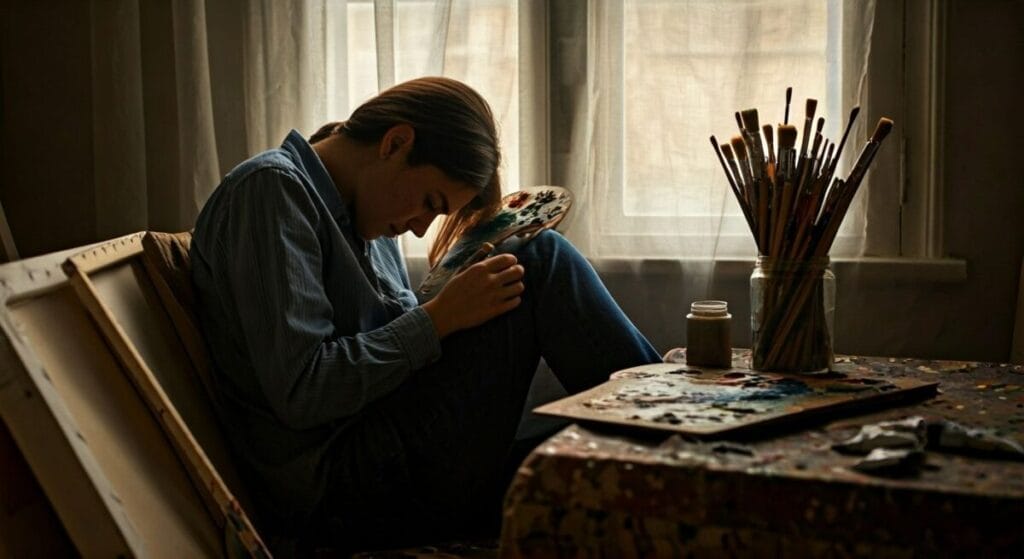
 Creative burnout can leave artists feeling exhausted, disconnected, and unable to find enjoyment in the work they once loved. However, persistent fatigue, emotional withdrawal, anxiety, and loss of motivation may signal something more serious than a temporary creative block. Artists often face unique pressures, including financial uncertainty, demanding schedules, public criticism, perfectionism, and the expectation to remain productive. When these pressures continue without adequate support, mental health can suffer. Recognizing the difference between creative burnout and deeper emotional difficulties is essential, especially when depression, anxiety, or substance use begins affecting everyday life.
Understanding Creative Burnout in Artists
Creative burnout is a state of emotional, mental, and physical exhaustion associated with prolonged stress and pressure. It can affect painters, musicians, writers, performers, designers, and other people whose work depends on creativity.
Unlike an ordinary period of low inspiration, burnout often affects several areas of life. An artist may struggle to concentrate, lose interest in projects, become unusually irritable, or feel overwhelmed by responsibilities that once seemed manageable.
Creative burnout does not necessarily mean someone has a mental health disorder. Nevertheless, it deserves attention because prolonged stress can contribute to emotional difficulties and may overlap with anxiety or depression.
Common Causes of Creative Burnout
Artists may experience burnout for several reasons:
- Constant pressure to produce: Deadlines, commissions, performances, and audience expectations can make it difficult to rest.
- Perfectionism: The belief that every project must be exceptional can create persistent self-criticism.
- Financial uncertainty: Irregular income and competition for opportunities can increase stress.
- Lack of recognition: Feeling overlooked or undervalued may gradually affect confidence.
- Limited personal boundaries: Working long hours without adequate recovery time can lead to exhaustion.
- Emotional demands: Creative work may involve exploring difficult experiences, personal memories, or intense feelings.
These challenges can accumulate. Without healthy coping strategies, an artist may begin feeling overwhelmed both professionally and personally.
When Burnout May Be Something More Serious
One of the most important mental health questions artists can ask is whether their symptoms improve with rest and changes in routine. Temporary exhaustion may ease after a break, but persistent emotional distress deserves closer attention.
Depression and anxiety can affect people regardless of their profession or creative ability. They may also occur alongside substance use disorders, making professional assessment particularly important.
Warning Signs of Depression
Depression involves more than occasional sadness or disappointment. It can affect mood, energy, thinking, relationships, and everyday functioning.
Artists experiencing depression may notice:
- Persistent sadness, emptiness, or hopelessness.
- Losing interest in creative activities and other hobbies.
- Difficulty concentrating or making decisions.
- Changes in appetite or sleeping patterns.
- Feeling worthless, guilty, or excessively self-critical.
- Ongoing fatigue, even after resting.
- Withdrawing from friends, family, and professional communities.
Some individuals continue working despite these symptoms. They may complete projects, attend performances, or maintain professional responsibilities while privately struggling with emotional distress.
This is why outward productivity should not be treated as proof that someone is doing well.
Warning Signs of Anxiety
Anxiety can create persistent worry, tension, and fear that interfere with daily activities. For artists, it may be connected to performance expectations, financial concerns, criticism, or uncertainty about future opportunities.
Common signs include:
- Excessive worry about upcoming projects or performances.
- Feeling restless, tense, or unable to relax.
- Avoiding professional or social situations because of fear.
- Difficulty sleeping because of racing thoughts.
- Physical symptoms such as muscle tension or a racing heartbeat.
- Repeatedly questioning decisions or creative abilities.
When anxiety becomes difficult to control, it can limit opportunities and make creative work feel like a source of constant pressure rather than personal fulfillment.
The Connection Between Creative Burnout and Addiction
Artists dealing with emotional exhaustion may look for quick ways to manage uncomfortable feelings. Alcohol or drugs can appear to offer temporary relief from anxiety, loneliness, creative frustration, or performance pressure.
For example, someone may drink to feel more comfortable at social events or use substances to unwind after demanding work. Another person may begin relying on drugs to escape persistent sadness or emotional discomfort.
Although these choices may initially seem manageable, repeated substance use can develop into a harmful pattern.
When Substances Become a Coping Mechanism
Using alcohol or drugs to manage stress can create a cycle that becomes increasingly difficult to break. Temporary relief may be followed by disrupted sleep, relationship problems, financial pressure, emotional instability, or declining work performance.
Substance use can also worsen existing mental health symptoms. As difficulties increase, an individual may feel a stronger urge to use substances again.
It is important to understand that addiction is not simply a failure of willpower. It is a complex condition influenced by biological, psychological, and environmental factors.
Artists who recognize that substance use is becoming difficult to control should consider seeking professional addiction treatment. Early support can help address both substance use and the emotional challenges connected to it.
Practical Ways Artists Can Protect Their Mental Health
Recognizing mental health warning signs is important, but taking practical steps can also help artists reduce stress and develop healthier routines.
These strategies are not substitutes for professional treatment when symptoms are persistent or severe. However, they can support emotional well-being and help prevent everyday pressures from becoming overwhelming.
1. Set Boundaries Around Creative Work
Artists may feel pressure to accept every opportunity or work until a project feels perfect. However, constant productivity can leave little room for rest.
Establish realistic working hours and schedule regular breaks. Avoid treating every free moment as an opportunity to complete another task.
Rest supports concentration, emotional balance, and long-term creative consistency.
2. Separate Personal Worth From Professional Success
A rejected proposal, negative review, or unsuccessful exhibition does not determine someone’s value.
Try to recognize the difference between feedback about a particular project and judgments about personal identity. Creative careers involve uncertainty, and setbacks are not evidence of personal failure.
Building confidence beyond artistic achievements can reduce pressure and support emotional resilience.
3. Maintain Relationships Outside the Creative Industry
Spending too much time alone can increase feelings of disconnection. Make time for friends, family, and people who appreciate you beyond your professional accomplishments.
Meaningful relationships offer encouragement and a sense of belonging. They also create opportunities to discuss difficult experiences rather than managing everything privately.
4. Develop Healthy Ways to Manage Stress
Physical activity, mindfulness, journaling, meditation, and time outdoors can help some artists manage everyday stress.
Creative expression can also remain a healthy outlet, provided it does not become another source of pressure. Try activities without deadlines or expectations, such as sketching for enjoyment, playing music casually, or writing privately.
5. Pay Attention to Changes in Daily Habits
Changes in sleep, appetite, substance use, social behavior, and motivation can provide important clues about emotional health.
If these changes continue, do not dismiss them as ordinary creative struggles. Consider discussing them with a qualified mental health professional.
How Professional Mental Health Treatment Can Help
When creative burnout overlaps with depression, anxiety, trauma, or addiction, professional treatment can help identify the underlying concerns and establish a practical path forward.
Artists may hesitate to seek help because they fear being judged or worry that treatment will interfere with their careers. However, getting support does not mean abandoning creative goals. It means giving personal well-being the attention it deserves.
Individualized Mental Health Care
Every person’s experiences and treatment needs are different. Individualized mental health care considers personal history, symptoms, relationships, lifestyle, and recovery goals.
Therapy can help individuals recognize harmful thought patterns, develop emotional regulation skills, address anxiety, and work through experiences that contribute to distress.
For artists, treatment may also explore perfectionism, professional pressure, self-esteem, and the relationship between creative identity and emotional well-being.
Inpatient and Outpatient Addiction Treatment
When substance use becomes a significant concern, the appropriate level of addiction treatment depends on clinical needs and personal circumstances.
Inpatient treatment provides a structured environment for individuals who need more intensive support. It may be appropriate when substance use, withdrawal risks, or co-occurring mental health concerns require a higher level of care.
Outpatient treatment allows individuals to attend scheduled counseling and treatment services while maintaining certain responsibilities at home or work. It may be suitable for people whose circumstances and clinical needs support this level of care.
A qualified professional can help determine which option is appropriate. People who may be physically dependent on alcohol or certain drugs should seek medical advice before stopping, since withdrawal can sometimes be dangerous.
Holistic and Faith-Based Support for Long-Term Well-Being
Recovery involves more than addressing substance use or reducing symptoms. Many individuals also want to rebuild relationships, strengthen personal values, improve physical well-being, and find a renewed sense of purpose.
Holistic approaches may include mindfulness, healthy lifestyle practices, physical activity, and other supportive activities that address different aspects of well-being.
Faith-based support can also be meaningful for individuals who draw strength from spirituality. Prayer, spiritual counseling, and participation in a faith community may provide connection, encouragement, and a sense of direction.
These approaches can complement evidence-informed mental health and addiction treatment. They should be selected according to personal preferences and used alongside appropriate professional care.
The goal is not to follow a single recovery formula. It is to develop an individualized plan that recognizes each person’s circumstances, strengths, and needs.
Knowing When It Is Time to Ask for Help
Artists do not need to wait until they can no longer work before seeking mental health support. Persistent emotional distress, increasing isolation, difficulty managing daily responsibilities, and reliance on substances are all reasons to speak with a professional.
If you notice these warning signs in yourself or someone close to you, consider starting with an honest conversation. A healthcare provider or mental health professional can help assess symptoms and discuss suitable treatment options.
If someone is experiencing thoughts of suicide or self-harm, immediate professional support is essential. Contact local emergency services or a crisis service, and do not leave the person alone if there is an immediate risk.
Your Mental Health Matters as Much as Your Creativity
Creative burnout can be a warning that an artist needs rest, better boundaries, or a healthier working routine. However, persistent anxiety, depression, emotional withdrawal, and substance use should never be dismissed as unavoidable parts of an artistic career.
Artists deserve support that recognizes the full person behind the work. With appropriate mental health treatment, addiction recovery services, and individualized care, it is possible to address underlying challenges and develop healthier ways to manage stress.
If you are struggling, consider reaching out for help rather than facing everything alone. Whether you need outpatient counseling, inpatient treatment, holistic support, or a combination of services, taking the first step can open the door to meaningful change.
Your creativity is worth protecting, but your health and well-being deserve attention too. You are more than your latest project, performance, or professional achievement. A healthier future can begin when you recognize that your needs matter and give yourself permission to seek support.
 For many artists, creativity is more than a career or hobby. It is a central part of their identity, a way to communicate emotions, and a source of purpose. However, when addiction enters the picture, the relationship between artistic identity and personal worth can become complicated. Substance use may affect creative routines, professional relationships, emotional stability, and confidence. During recovery, artists may also struggle with the fear that getting better means losing the experiences or emotions that once influenced their work. The truth is that addiction recovery does not require artists to give up their creativity. It offers an opportunity to rebuild confidence, rediscover personal values, and develop an identity that extends beyond artistic achievement.