
The Healthy Creative Life: Supporting Mental Health, Sobriety, and Purpose for Artists

A healthy creative life is about more than producing meaningful work. For artists in recovery, it also means protecting mental health, maintaining sobriety, building supportive relationships, and finding purpose beyond artistic achievement. Creativity can be deeply connected to identity, emotion, and personal experience, which makes it both a powerful source of expression and, at times, a source of pressure. When addiction, anxiety, depression, trauma, or burnout enters the picture, an artist may begin to feel disconnected from the very qualities that once brought meaning to life. Recovery offers an opportunity to rebuild that connection in a healthier way, with professional support, practical coping strategies, and a renewed understanding of what it means to live creatively.

Why Mental Health Matters in the Creative Life

Artists often place a significant amount of themselves into their work. A painting, song, performance, photograph, or written piece can represent deeply personal thoughts and emotions. As a result, criticism and rejection may feel more personal than they appear from the outside.

Creative careers can also involve financial uncertainty, irregular schedules, demanding deadlines, public expectations, and periods of isolation. These pressures can contribute to emotional exhaustion when there is not enough time for rest and recovery.

The Pressure to Always Create

There can be an assumption that a successful artist should always be producing something. That belief can make rest feel unproductive and create unnecessary guilt.

However, constant productivity is not the same as a healthy creative life.

Artists need time to sleep, eat, exercise, maintain relationships, reflect, and simply exist without having to produce something for an audience. Protecting that time can support emotional stability and make creativity more sustainable.

How Addiction Can Disrupt Creativity and Purpose

Some artists may initially turn to alcohol or drugs as a way to cope with stress, social anxiety, emotional pain, loneliness, or creative frustration. A substance may seem to make it easier to relax, socialize, perform, or temporarily escape difficult thoughts.

The problem is that temporary relief can develop into a pattern that becomes increasingly difficult to control.

Addiction can affect relationships, concentration, motivation, physical health, emotional stability, and everyday responsibilities. It can also interfere with an artist’s ability to work consistently or enjoy the creative process.

What once seemed like a tool for creativity may eventually become an obstacle to it.

Sobriety Does Not Mean Losing Your Artistic Identity

One of the fears artists may have when considering addiction treatment is that sobriety will change who they are.

Recovery does not require abandoning creativity.

You can remain a painter without living in emotional chaos. You can write without using substances to access difficult feelings. You can perform without relying on alcohol to manage anxiety. You can create meaningful work while building a stable and healthy life.

Sobriety can create room for more choice. Instead of being controlled by cravings or substance use, you can begin deciding how you want creativity to fit into your life.

Build a Routine That Supports Recovery

A creative career may not always follow a traditional schedule. Even so, some consistency can be extremely valuable during recovery.

A healthy routine provides structure when motivation fluctuates and stress increases.

Prioritize Sleep and Physical Health

Sleep, nutrition, movement, and rest are basic parts of maintaining well-being. When these areas are consistently neglected, managing difficult emotions and everyday stress can become harder.

Start with realistic goals.

Try to establish a reasonably consistent bedtime. Eat regular meals. Make time for physical activity. Step away from your workspace periodically. Give yourself permission to have days that are less productive.

These habits do not need to be perfect to be useful.

Create Boundaries Around Your Work

Artists can become deeply absorbed in their work. That dedication can be rewarding, but without boundaries it can also contribute to burnout.

Consider setting limits around creative work whenever possible. Decide when your workday ends. Protect personal time. Avoid accepting every opportunity simply because you fear losing momentum.

A healthy creative practice should add meaning to your life, not consume every part of it.

Use Creativity as a Healthy Form of Expression

Art can be a meaningful part of recovery because it provides a way to explore emotions and experiences. However, creative expression works best when it complements professional treatment rather than replacing it.

Create Without Expecting a Finished Product

Recovery can be a good time to rediscover creativity without the pressure of producing something commercially valuable.

Write in a private journal. Sketch for ten minutes. Play an instrument without recording it. Take photographs during a walk. Experiment with a new medium. Paint something that no one else will ever see.

The goal is not necessarily to create your best work.

The goal is to reconnect with the experience of creating.

Removing performance pressure can make creativity feel enjoyable again. It can also provide an opportunity to notice emotions that may be useful to explore further in therapy.

Separate Expression From Emotional Survival

Artists do not have to use creativity as their only way of processing difficult experiences.

Therapy can provide a structured environment for exploring trauma, anxiety, depression, grief, relationship difficulties, and addiction. Art can exist alongside that work as another form of expression.

This distinction matters because no creative practice should be responsible for carrying the full weight of someone’s emotional well-being.

Develop Healthy Coping Skills for Stress and Cravings

Stress is unavoidable. Recovery does not require eliminating every difficult emotion or uncomfortable situation.

Instead, the goal is to develop healthier responses.

Create a Personal Coping Toolbox

Keep several strategies available for moments when stress becomes intense.

Your coping toolbox might include:

  • Deep breathing
  • Meditation
  • Prayer
  • Journaling
  • Walking
  • Exercise
  • Listening to music
  • Spending time outdoors
  • Calling someone you trust
  • Attending a recovery meeting
  • Practicing a creative activity
  • Speaking with a therapist
  • Taking a break from social media or work

Different situations may require different tools. Having several options makes it less likely that substance use will feel like the only way to cope.

Identify Your Personal Triggers

Artists may encounter triggers related to their professional and personal lives.

These could include rejection, criticism, performance pressure, financial concerns, relationship conflict, loneliness, exhaustion, creative frustration, or environments where alcohol and drugs are readily available.

Keep a record of situations that increase stress or cravings. Ask yourself what happened, what you felt, what you were thinking, and how you responded.

Over time, these observations can help you and your treatment team identify patterns and develop more effective strategies.

Protect Relationships and Reduce Isolation

Artists may need solitude to concentrate, but isolation can become harmful when it replaces meaningful connection.

During recovery, relationships can provide encouragement, accountability, perspective, and practical support.

Build a Recovery Support Network

Your support network might include:

  • Family members
  • Close friends
  • Therapists
  • Addiction professionals
  • Peer recovery groups
  • Mentors
  • Spiritual leaders
  • Other artists who understand your experiences

You do not need a large social circle. A few trustworthy people can make a meaningful difference.

It is also important to establish boundaries with people or situations that repeatedly expose you to substance use or undermine your recovery.

Address Mental Health and Addiction Together

Sobriety and mental wellness are closely connected. When addiction occurs alongside anxiety, depression, trauma, or other mental health concerns, treating only substance use may leave important issues unresolved.

Professional treatment can provide an opportunity to examine the broader factors affecting recovery.

Inpatient Care Can Provide Structure

Inpatient treatment can offer a structured setting for people who need to step away from outside pressures and focus more fully on recovery.

For an artist, this may initially feel like a significant interruption to creative work. However, taking time away from professional demands can provide space to address substance use, emotional health, unhealthy coping patterns, and personal stability.

Stepping away does not mean abandoning your artistic identity. It means giving attention to the person behind the work.

Outpatient Care Can Support Everyday Responsibilities

Outpatient treatment can provide ongoing professional support while allowing individuals to continue appropriate responsibilities at home, work, school, or within their creative careers.

For artists, this can make it possible to practice recovery skills in everyday situations while remaining connected to professional guidance.

The appropriate level of care depends on individual circumstances and treatment needs. A personalized approach recognizes that no two recovery journeys are exactly alike.

Consider a Holistic Approach to Recovery

A healthy creative life involves more than sobriety alone. Physical health, emotional wellness, relationships, spirituality, personal values, and purpose can all influence recovery.

A holistic approach considers these different areas together.

Faith Can Strengthen Purpose and Hope

For people who value spirituality, faith can provide an additional source of hope and meaning.

Prayer, reflection, spiritual community, forgiveness, and guidance may help individuals reconnect with their values and consider what they want their lives to represent.

Faith based support does not need to replace professional treatment. For many people, spiritual care and clinical support can complement one another.

Individualized Treatment Respects the Artist Behind the Addiction

Every artist has a different background, creative process, support system, and reason for seeking recovery.

That is why individualized care matters.

Mi Arte Es Su Arte describes an approach centered on addiction recovery and mental health support, with inpatient and outpatient options and holistic and faith based approaches.

Personalized care can help address the circumstances contributing to substance use while also recognizing the person’s values, goals, relationships, and creative identity.

Rediscover Purpose Beyond Artistic Achievement

A healthy creative life should include purpose, but purpose does not have to depend entirely on professional success.

An artist can find meaning through relationships, service, spirituality, personal growth, community, learning, and helping others.

Your Worth Is Greater Than Your Work

It can be difficult for artists to separate identity from achievement. When a project succeeds, confidence may rise. When a project fails, self-worth may fall.

Recovery provides an opportunity to challenge that pattern.

Your worth does not depend on how many people see your work. It does not depend on sales, awards, followers, performances, exhibitions, or productivity.

You are a person before you are an artist.

That understanding can create a healthier foundation for creativity because artistic work no longer has to prove your value.

Create a Future Where Recovery and Creativity Can Coexist

The goal of addiction recovery is not simply to stop using substances. It is to build a life that makes continued recovery meaningful.

For artists, that may mean creating a stable routine, rebuilding relationships, learning healthier coping skills, addressing mental health concerns, developing boundaries, and rediscovering creativity without the pressure to constantly perform.

It may also mean redefining success.

Instead of asking, “Am I creating enough?” you might begin asking, “Am I living in a way that supports the person and artist I want to become?”

That shift can change the entire recovery experience.

Take the Next Step Toward a Healthier Creative Life

Addiction can make an artist feel as though creativity, sobriety, mental health, and personal purpose cannot coexist. They can.

A healthier creative life begins with recognizing that your well-being deserves as much attention as your work. Professional addiction treatment, mental health support, healthy routines, meaningful relationships, spiritual practices, and creative expression can all become parts of a personalized recovery plan.

If substance use, anxiety, depression, trauma, or emotional distress is interfering with your health or ability to live the life you want, reaching out for help is an important step. Mi Arte Es Su Arte’s stated approach includes individualized addiction recovery and mental health care, inpatient and outpatient support, and holistic and faith based options.

You do not have to give up your creativity to protect your sobriety. You do not have to sacrifice your mental health to create meaningful work. And you do not have to define your future by what happened in the past.

Recovery can give you the opportunity to build a life where creativity has room to grow, relationships have room to heal, and purpose has room to return.

Your art matters. Your health matters. Most importantly, you matter beyond what you create.
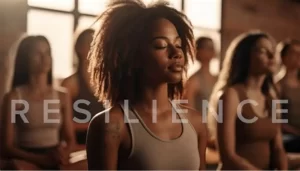
Finding Strength in Expression: How Artists Can Build Emotional Resilience in Recovery

For artists in addiction recovery, emotional resilience can be the difference between simply getting through difficult moments and developing the confidence to move forward with purpose. Creative people often experience emotions deeply, and that sensitivity can influence both their artistic work and their personal lives. When addiction, anxiety, trauma, grief, or chronic stress enters the picture, those emotions can become difficult to manage. However, creativity can also become part of a healthier recovery process. By learning to express emotions safely, recognize triggers, build supportive relationships, and develop practical coping skills, artists can strengthen emotional resilience without sacrificing the creative identity that matters so much to them.

What Emotional Resilience Means in Addiction Recovery

Emotional resilience does not mean never feeling sadness, anger, fear, frustration, or disappointment. Recovery is not about becoming emotionally unaffected by life’s challenges.

Instead, resilience means developing healthier ways to experience difficult emotions without allowing them to dictate destructive choices.

For someone recovering from addiction, this can mean recognizing a craving without automatically acting on it. It can mean responding to criticism without turning to alcohol or drugs. It can also mean asking for support when stress becomes overwhelming rather than withdrawing from everyone.

For artists, emotional resilience can provide an additional benefit: greater freedom to create without relying on emotional turmoil or substances as a source of inspiration.

Resilience Is a Skill That Can Grow

Some people assume that emotional strength is simply part of someone’s personality. In reality, many resilience skills can be developed through practice, therapy, healthy relationships, and consistent recovery habits.

An artist can learn to pause before reacting, identify emotional triggers, communicate needs, establish boundaries, and use healthier coping strategies. Over time, these skills can make difficult experiences more manageable.

Why Emotional Expression Matters for Artists

Creative expression gives artists a unique way to explore experiences that may be difficult to explain through ordinary conversation.

A painter may communicate grief through color and composition. A musician may express anger through rhythm and sound. A writer may explore fear through a character or story. A dancer may communicate emotions through movement.

This does not mean art can replace professional treatment. Instead, creative expression can complement therapy and other recovery services by providing another avenue for self-reflection.

Create Without Judging the Result

During recovery, artists may feel pressure to immediately return to their previous level of productivity. That pressure can make creativity feel like another responsibility.

Try removing the expectation that every creative activity must result in something valuable or shareable.

Write privately. Sketch without showing anyone. Play music without recording it. Take photographs simply because something catches your attention. Experiment with a medium you have never used before.

The objective is not perfection. It is expression.

When creativity becomes a space where an artist can explore thoughts and emotions without judgment, it may become easier to reconnect with a sense of curiosity and personal identity.

Learn to Recognize Emotional Triggers

Emotional resilience becomes much easier to build when an artist understands what tends to disrupt recovery.

Triggers vary from person to person. However, artists may encounter particular situations that affect emotional health and increase the temptation to return to unhealthy coping patterns.

These may include:

  • Rejection from a client, publisher, gallery, or audience
  • Performance anxiety
  • Creative frustration
  • Financial uncertainty
  • Relationship conflict
  • Loneliness
  • Perfectionism
  • Exhaustion
  • Negative self-talk
  • Environments where alcohol or drugs are readily available
  • Memories associated with trauma

Recognizing a trigger does not mean avoiding every uncomfortable experience. Instead, awareness provides an opportunity to prepare.

Use a Trigger Journal

A simple journal can help identify patterns. When difficult emotions or cravings appear, write down what happened immediately beforehand.

Consider recording:

  1. What happened?
  2. What emotion did you experience?
  3. What thoughts followed?
  4. What physical sensations did you notice?
  5. What did you want to do?
  6. What healthier response could you try next time?

Over time, these notes may reveal patterns that are difficult to see in the moment. A therapist or addiction professional can also help you explore these patterns and develop appropriate strategies.

Build a Personal Emotional Coping Toolbox

Recovery becomes more sustainable when you have several healthy ways to respond to stress.

Instead of relying on one strategy, develop a personal coping toolbox that you can use in different situations.

Your toolbox might include:

  • Journaling
  • Deep breathing
  • Meditation
  • Prayer
  • Walking
  • Exercise
  • Listening to music
  • Spending time in nature
  • Calling someone you trust
  • Attending a recovery support group
  • Practicing a creative activity
  • Talking with a therapist
  • Taking a planned break from work

The most useful strategies are realistic. If a coping technique requires an hour of preparation, it may not be practical during an intense craving or emotional crisis.

Choose several options you can actually use when you need them.

Give Yourself Time Before Acting

One important resilience skill is learning to create space between an emotional reaction and a decision.

When anger, anxiety, or cravings become intense, pause if it is safe to do so. Take several slow breaths. Step away from the immediate situation. Contact someone in your support network.

That short pause can create an opportunity to make a healthier decision instead of responding automatically.

Protect Your Creative Energy

Artists often dedicate enormous amounts of time and emotional energy to their work. While commitment can be valuable, constantly pushing yourself can weaken emotional resilience.

Burnout can make ordinary stress feel much harder to manage. It can also increase irritability, exhaustion, isolation, and vulnerability to unhealthy coping behaviors.

Establish Healthy Boundaries

Consider creating boundaries around your creative work.

Set reasonable working hours when possible. Schedule meals and breaks. Protect your sleep. Avoid accepting every project simply because you are afraid of missing an opportunity.

It can also help to separate your personal worth from your creative output.

A rejected painting does not mean you are a failure. A difficult performance does not define your ability. A period of creative inactivity does not erase your identity as an artist.

You are more than what you produce.

Connection Strengthens Recovery

Artists often need solitude to create, but prolonged isolation can become harmful.

When emotional challenges become difficult to manage, withdrawing from other people can increase loneliness and make recovery feel much harder.

Build a Reliable Support Network

Your support network does not need to be large. A few dependable people can provide meaningful encouragement and accountability.

Depending on your circumstances, support may come from:

  • Family members
  • Close friends
  • Therapists
  • Addiction professionals
  • Peer recovery groups
  • Mentors
  • Spiritual leaders
  • Other artists who understand creative pressures

Tell trusted people what support looks like for you. Perhaps you need someone to call when cravings become intense. Maybe you need encouragement to attend an appointment or simply someone who will listen without judgment.

Healthy relationships can remind you that recovery is not something you have to manage alone.

Address Trauma and Mental Health Alongside Addiction

Emotional resilience can be difficult to build when underlying mental health concerns remain untreated.

Addiction may occur alongside anxiety, depression, trauma, or other emotional difficulties. When these concerns overlap, addressing only substance use may leave important parts of the person’s experience unresolved.

Professional mental health treatment can provide a structured environment for exploring these issues safely.

Inpatient Treatment Can Provide Stability

For individuals who need a higher level of support, inpatient treatment can provide structure and distance from some of the pressures that contribute to unhealthy patterns.

For an artist, stepping away from creative obligations may initially feel frightening. However, taking time to focus on personal stability does not mean giving up an artistic identity.

Sometimes the most productive thing an artist can do is take care of the person behind the work.

Outpatient Treatment Can Support Continued Growth

Outpatient care can offer professional support while allowing individuals to maintain important responsibilities when appropriate.

For artists, this may create an opportunity to practice new coping skills while gradually managing creative work, family responsibilities, relationships, and everyday stress.

The appropriate level of care depends on each person’s needs and circumstances. Individualized treatment can help ensure that recovery addresses the whole person rather than applying the same approach to everyone.

Consider a Holistic Approach to Recovery

Emotional resilience develops through more than one area of life.

Physical health, emotional wellness, relationships, spirituality, personal values, and creative expression can all influence how someone experiences recovery.

A holistic approach considers these connections.

Faith Can Support Hope and Purpose

For people who value spirituality, faith can provide an additional source of meaning during recovery.

Prayer, reflection, spiritual community, forgiveness, and guidance can help some individuals reconnect with hope and purpose. Faith based support can complement professional mental health and addiction treatment rather than replace it.

Individualized Care Respects Your Story

Every artist has a different history, creative process, support system, and vision for the future.

That is why individualized care matters. Mi Arte Es Su Arte describes support that addresses addiction recovery and mental health through individualized approaches, with inpatient and outpatient options as well as holistic and faith based care.

Recovery should not require you to fit into someone else’s definition of what healing looks like. The goal is to develop strategies that address your circumstances, values, challenges, and goals.

Let Creativity Become Part of a Healthier Future

Recovery does not require artists to abandon their creative identity.

In fact, a healthier emotional foundation may allow creativity to become more sustainable. Instead of using art to escape every difficult emotion, you can learn to use creative expression alongside other healthy coping tools.

Instead of believing that pain is necessary for meaningful work, you can discover that stability can support creativity too.

Instead of allowing addiction to control when and how you create, recovery can help you regain greater choice.

Creativity Does Not Have to Carry Everything

Art can be powerful, but it does not have to carry the entire responsibility for your emotional well-being.

Let therapy help you process trauma. Let trusted relationships provide connection. Let recovery support provide accountability. Let healthy routines support your physical and emotional health.

Then allow creativity to be what it can be: an important part of your identity, a source of expression, and potentially a meaningful part of your healing journey.

Strength Begins With Reaching Out

Building emotional resilience in recovery is not about becoming someone who never struggles. It is about developing the tools, relationships, and support necessary to respond differently when life becomes difficult.

For artists, that process can include recognizing emotional triggers, expressing feelings through healthy creative practices, establishing boundaries, developing practical coping strategies, addressing trauma and mental health concerns, and seeking professional addiction treatment when needed.

If addiction, anxiety, depression, trauma, or overwhelming stress is affecting your ability to live and create, consider reaching out for professional support. Mi Arte Es Su Arte’s stated approach includes individualized addiction recovery and mental health care, inpatient and outpatient options, and holistic and faith based support.

You do not have to choose between your recovery and your creativity. With the right support, you can work toward both.

Your experiences may shape your art, but they do not have to control your future. By finding healthier ways to express what you feel and respond to what you face, you can build emotional resilience and create a stronger foundation for the life beyond the canvas, stage, studio, or page.

The next chapter of your story is still yours to create.

Protecting the Creative Mind: Mental Health and Recovery Strategies for Artists

For many artists, creativity is deeply connected to identity, emotion, and purpose. The ability to turn feelings, experiences, and ideas into music, visual art, writing, performance, or other forms of expression can be incredibly meaningful. However, the creative life can also bring intense pressure, uncertainty, criticism, isolation, and emotional exhaustion. When addiction or mental health challenges become part of that picture, protecting the creative mind becomes an essential part of protecting overall well-being. Recovery can help artists develop healthier ways to manage stress, process difficult emotions, and continue creating without depending on substances or emotional chaos.
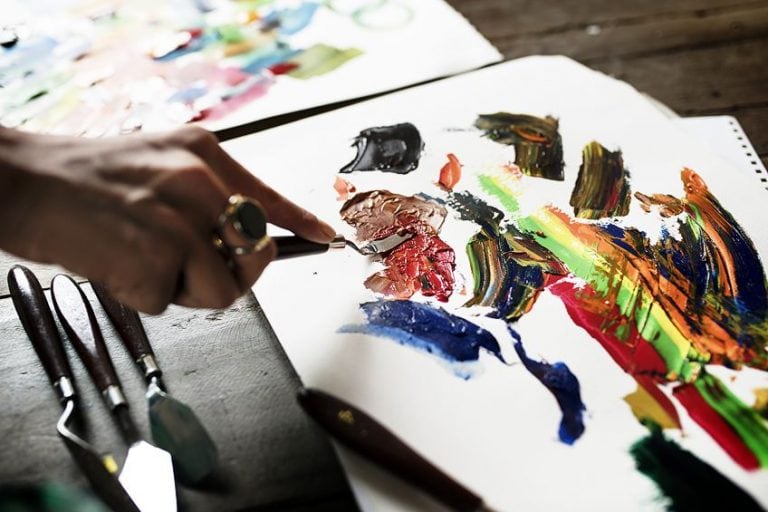
Why Mental Health Matters for Artists

Artists often work in environments that demand vulnerability. Sharing personal ideas with an audience can make criticism and rejection feel especially difficult. Financial uncertainty, demanding deadlines, performance pressure, creative blocks, and inconsistent work can add even more stress.

Over time, these pressures may contribute to anxiety, depression, burnout, loneliness, or unhealthy coping patterns. Some artists may turn to alcohol or drugs because substances seem to provide temporary relief from self-doubt, social anxiety, emotional pain, or creative frustration.

Unfortunately, temporary relief can develop into a much larger problem.

Addiction can affect concentration, motivation, relationships, physical health, emotional stability, and the ability to create consistently. What initially feels like a way to cope may eventually interfere with the very creativity a person is trying to protect.

Breaking the Myth of the Tortured Artist

The idea that suffering or substance use is necessary for great art has been repeated for generations. However, addiction does not make someone more creative, and emotional instability is not a requirement for meaningful artistic expression.

In fact, recovery may provide greater clarity and stability. Artists can learn to experience difficult emotions without allowing those emotions to control their decisions. They can also rediscover creativity as something enjoyable rather than something that depends on pain.

Protecting mental health does not mean becoming less creative. It means creating a healthier foundation for creativity.

Recognizing the Stressors That Can Affect Recovery

Every artist has different experiences and challenges. Recognizing personal stressors can make it easier to respond to them before they become overwhelming.

Common challenges may include:

  • Rejection or criticism
  • Financial uncertainty
  • Performance anxiety
  • Creative frustration
  • Perfectionism
  • Loneliness and isolation
  • Relationship conflict
  • Exhaustion and burnout
  • Irregular schedules
  • Social environments where alcohol or drugs are available
  • Pressure to constantly produce

Understanding these triggers is not about avoiding every difficult experience. Instead, awareness gives artists an opportunity to prepare healthier responses.

Keep Track of Emotional Patterns

Journaling can be a practical way to identify connections between situations, emotions, thoughts, and cravings. For example, an artist may notice that substance cravings become stronger after a difficult performance, an argument, a rejected project, or several nights of poor sleep.

Once patterns become clearer, it becomes easier to develop a plan.

A therapist or addiction professional can also help identify deeper patterns and develop strategies for managing them safely.

Build a Mental Health Routine That Supports Recovery

Recovery is strengthened by daily habits. While no routine can eliminate every challenge, consistent self-care can provide greater stability.

Protect Sleep, Nutrition, and Physical Health

Artists may have irregular schedules, especially when working on projects, preparing for performances, or meeting deadlines. However, consistently neglecting sleep, meals, movement, and rest can make emotional regulation more difficult.

Start with realistic changes. Maintain a regular sleep schedule when possible. Eat consistently. Take walks. Stretch between periods of creative work. Give yourself time away from screens and demanding projects.

These habits may seem simple, but they can create an important foundation for mental wellness.

Make Rest Part of the Creative Process

Many artists feel guilty when they are not producing. That mindset can contribute to burnout and make creativity feel like an obligation.

Rest is not wasted time.

Taking breaks allows the mind and body to recover. It also creates space for relationships, reflection, physical activity, and interests outside of artistic work.

Your value is not determined by how much you create.

Develop Healthy Coping Strategies

One of the most practical recovery strategies is developing several ways to respond to stress before turning to unhealthy coping mechanisms.

A personal coping toolbox might include:

  • Deep breathing
  • Meditation
  • Prayer
  • Journaling
  • Walking or exercise
  • Listening to music
  • Spending time in nature
  • Calling someone you trust
  • Attending a recovery meeting
  • Speaking with a therapist
  • Practicing art without performance expectations

The goal is not to find one perfect technique. Instead, develop several options so you have choices when stress, cravings, or difficult emotions arise.

Create Without the Pressure to Perform

Creative expression can be valuable during recovery, but it does not always need to produce something impressive.

Paint privately. Write without planning to publish. Play an instrument simply because you enjoy it. Sketch without judging the result. Take photographs during a walk.

Removing the pressure to perform can help artists reconnect with creativity as a healthy form of self-expression.

Art can also reveal emotions that may be difficult to explain verbally. A creative project might uncover anger, sadness, fear, hope, or grief. Those discoveries can become useful topics to explore with a mental health professional.

Creative expression can support treatment, but it should not replace professional addiction or mental health care.

Build Connection Instead of Isolation

Solitude can be valuable for artists. However, prolonged isolation can make addiction and mental health challenges harder to manage.

Recovery often becomes stronger when people have trusted individuals they can contact during difficult moments.

Create a Support Network

A recovery support network might include:

  • Family members
  • Close friends
  • Therapists
  • Addiction professionals
  • Peer recovery groups
  • Mentors
  • Spiritual leaders
  • Other artists who understand the pressures of creative work

You do not need dozens of people around you. A few reliable relationships can provide encouragement, accountability, and perspective.

Healthy boundaries are also important. If certain people, places, or situations consistently increase the risk of substance use, creating distance may be necessary to protect recovery.

Know When Professional Treatment Is Necessary

Healthy routines and coping strategies are valuable, but they may not be enough when addiction or significant mental health concerns have become difficult to manage.

When substance use occurs alongside anxiety, depression, trauma, or other emotional challenges, addressing the full picture can be important. Professional treatment can help individuals understand the factors contributing to unhealthy patterns and develop more effective ways to cope.

Inpatient Care Can Provide Structure

Inpatient treatment can give individuals a structured environment away from some of the pressures of everyday life. This may allow more focused attention on addiction recovery, emotional health, coping skills, and personal stability.

For an artist, stepping away from work temporarily does not mean abandoning a creative identity. It can provide valuable space to focus on the person behind the artwork.

Outpatient Care Can Support Everyday Responsibilities

Outpatient treatment provides professional support while allowing individuals to continue important responsibilities when clinically appropriate.

For artists, this may provide an opportunity to apply recovery skills while managing creative work, relationships, family responsibilities, and everyday stress.

The appropriate level of care depends on individual circumstances and treatment needs. Personalized care can help ensure that recovery strategies address the person rather than treating every artist the same way.

Consider a Holistic Approach to Recovery

Addiction recovery involves more than stopping substance use. Long-term wellness can also involve emotional health, physical well-being, relationships, personal values, purpose, and spirituality.

A holistic approach considers how these areas interact.

Faith and Spirituality Can Provide Meaning

For people who value faith, spiritual practices can become an important source of hope and purpose. Prayer, reflection, community, forgiveness, and spiritual guidance may provide additional support during difficult periods.

Faith based support does not have to replace professional mental health treatment. For many individuals, spiritual care and clinical treatment can complement one another.

Individualized Care Recognizes the Whole Person

Every artist has a different history, creative identity, emotional experience, support system, and vision for the future.

That is why individualized addiction recovery and mental health care can be so valuable. Mi Arte Es Su Arte describes an approach that includes individualized support, inpatient and outpatient options, and holistic and faith based approaches.

The goal is not simply to address substance use. It is to help individuals build healthier ways of living while respecting the qualities, values, and goals that make each person unique.

Recovery Can Protect Your Creativity

One of the most common fears artists may experience when considering recovery is the belief that they will lose their inspiration.

Recovery does not require that.

You do not need substances to create meaningful work. You do not need emotional instability to remain creative. You do not need to sacrifice your mental health for your art.

Instead, recovery can create greater clarity, stability, confidence, and freedom.

When artists learn to manage stress, recognize triggers, establish healthy boundaries, build supportive relationships, and seek professional help when needed, creativity can become a healthier part of everyday life.

Protect Your Mind and Your Future

Your creative identity matters, but the person behind that creativity matters just as much. Addiction, trauma, anxiety, depression, and chronic stress can make life feel increasingly difficult, but they do not have to determine what happens next.

Protecting the creative mind begins with recognizing when support is needed. It may mean talking with someone you trust, meeting with a mental health professional, joining a recovery program, or exploring a treatment approach that addresses addiction and emotional wellness together.

Mi Arte Es Su Arte focuses on individualized addiction recovery and mental health support, including inpatient and outpatient care and holistic and faith based approaches.

If substance use or emotional distress is interfering with your creativity, relationships, health, or future, consider taking the next step toward professional help. You do not have to choose between recovery and your art.

A healthier mind can give your creativity room to grow. And a healthier life can give you more opportunities to create, connect, heal, and move forward with purpose.

When Art Meets Healing: Helping Artists Manage Stress, Trauma, and Recovery

Art has a unique way of giving shape to experiences that can be difficult to explain. A song can express grief. A painting can capture anxiety. A story can give meaning to painful memories. For many artists, creative expression is closely connected to emotional life. That connection can be deeply healing, but it can also become complicated when stress, trauma, anxiety, depression, or addiction enters the picture. Artists in recovery deserve support that recognizes the whole person, not simply the substance use or mental health symptoms. With compassionate treatment, healthy coping strategies, and meaningful creative outlets, artists can work through difficult experiences while protecting the creativity that makes them who they are.

Understanding Stress and Trauma in the Creative Life

Creative work often requires vulnerability. Artists share ideas, emotions, perspectives, and personal experiences with other people. Because of this, criticism, rejection, financial uncertainty, and professional pressure can feel particularly personal.

At the same time, many artists work irregular hours or manage unpredictable careers. Deadlines, performances, exhibitions, auditions, public expectations, and financial concerns can create ongoing stress.

When Stress Becomes Difficult to Manage

Short periods of stress are a normal part of life. Chronic stress, however, can affect sleep, concentration, mood, relationships, and physical health.

An artist experiencing prolonged stress may notice that creativity becomes harder rather than easier. A once enjoyable activity may begin to feel like an obligation. Motivation can decline, and emotional exhaustion can make even simple responsibilities feel overwhelming.

Without healthy coping strategies, some individuals may begin using alcohol or drugs to temporarily escape stress or uncomfortable emotions. Although substances may provide short term relief, they can ultimately intensify emotional and personal difficulties.

Recognizing this pattern is an important part of recovery.

Trauma Can Influence Mental Health and Addiction

Trauma can affect how a person understands safety, relationships, emotions, and their own sense of identity. Its effects may continue long after the original experience has ended.

For some artists, creative work becomes an important way to process painful experiences. However, trauma can also contribute to anxiety, depression, isolation, substance use, or difficulty regulating emotions.

Understanding Emotional Triggers

Recovery often involves identifying experiences that cause intense emotional reactions or cravings.

Triggers can vary from person to person. For an artist, they might include:

  • Criticism or rejection
  • Performance pressure
  • Financial instability
  • Relationship conflict
  • Loneliness
  • Memories associated with trauma
  • Creative frustration
  • Exhaustion
  • Environments where substances are readily available

Understanding triggers does not mean avoiding every uncomfortable situation. Instead, it allows individuals to prepare for challenging moments and respond with healthier strategies.

A therapist can help identify patterns and develop practical techniques for managing difficult emotions.

How Creative Expression Can Support Healing

Creative expression can be a valuable addition to mental health and addiction recovery. It provides another way to explore emotions, communicate experiences, and reconnect with personal identity.

Create Without the Pressure to Perform

During recovery, creativity does not always need to be productive.

An artist might paint privately, write in a journal, play an instrument, sketch, take photographs, or experiment with a new medium. The goal is not necessarily to produce something impressive.

Instead, the goal is to reconnect with the experience of creating.

Removing performance expectations can help creativity become enjoyable again. It can also create a safe space for emotional exploration.

Use Art to Start Important Conversations

Sometimes a creative project reveals an emotion that was difficult to recognize.

A painting may bring attention to anger or sadness. A poem may reveal feelings of loneliness. A song may remind someone of an experience they have not fully processed.

These observations can become useful starting points for conversations with a therapist or trusted support person. Creative expression should complement professional treatment, rather than replace it.

Developing Healthier Ways to Manage Stress

Stress management is an important part of addiction recovery. When individuals have reliable coping tools, they are better prepared to respond to difficult emotions without returning to substance use.

Build a Personal Coping Toolbox

There is no single coping technique that works for everyone. A stronger approach is to develop several options.

Your coping toolbox might include:

  • Deep breathing
  • Meditation
  • Prayer
  • Journaling
  • Walking or other physical activity
  • Listening to calming music
  • Calling someone you trust
  • Attending a recovery meeting
  • Practicing a creative activity
  • Spending time in nature
  • Speaking with a mental health professional

Keep your options practical. During a stressful moment, you should be able to use them without needing extensive preparation.

Protect Your Time and Energy

Artists can easily become consumed by their work. While dedication is valuable, constantly pushing yourself can increase burnout.

Set reasonable boundaries around creative work. Schedule breaks. Make room for sleep and meals. Allow yourself to spend time with people who support your recovery.

A healthy creative practice should contribute to your life rather than consume it.

Build Connection Instead of Isolation

Isolation can make addiction and mental health challenges more difficult to manage. Artists may need solitude to create, but prolonged disconnection from others can increase loneliness and emotional distress.

Develop a Supportive Recovery Network

Support can come from many places. Depending on your needs, it may include family, friends, therapists, peer recovery groups, mentors, spiritual leaders, or other artists who understand your experiences.

You do not need a large social circle. A few trustworthy people can make a meaningful difference.

Let people know how they can support you. That might mean checking in regularly, attending an appointment with you, encouraging healthy routines, or simply listening without judgment.

Professional Treatment Can Address the Bigger Picture

When addiction and mental health challenges occur together, addressing only one concern may leave important issues untreated. Comprehensive care can help individuals understand the relationship between substance use, trauma, stress, and emotional health.

Inpatient Treatment Can Create Space for Healing

Inpatient care provides a structured environment where individuals can focus on recovery away from some of the pressures of daily life.

For an artist struggling with significant substance use or mental health concerns, this structure can provide an opportunity to stabilize, develop healthier coping skills, explore underlying issues, and establish a foundation for continued recovery.

Stepping away from creative and professional demands for a period of time does not mean abandoning your identity. It can provide space to take care of the person behind the work.

Outpatient Treatment Supports Everyday Life

Outpatient care can provide continued professional support while allowing individuals to maintain important responsibilities.

For artists, this can make it possible to continue working toward recovery while gradually navigating creative projects, relationships, professional obligations, and everyday stress.

The appropriate level of care depends on each person’s circumstances and clinical needs.

A Holistic Approach to Recovery

Addiction recovery involves more than stopping substance use. Long term wellness can require attention to physical health, emotional well-being, relationships, personal values, and spiritual life.

A holistic approach recognizes these different areas and considers how they influence one another.

Faith Can Provide Hope and Meaning

For individuals who value spirituality, faith based support can become an important part of the healing process. Prayer, reflection, community, and spiritual guidance may provide comfort and a stronger sense of purpose.

Faith does not have to compete with professional mental health treatment. For many people, spiritual practices and clinical care can work together as complementary sources of support.

Individualized Care Matters

Every artist has a different history, creative identity, support system, and recovery goal. Treatment should reflect those differences.

Mi Arte Es Su Arte focuses on individualized addiction recovery and mental health support, with inpatient and outpatient options and approaches that can incorporate holistic and faith based care. A personalized treatment plan can help address the specific challenges affecting an individual’s recovery and overall well-being.

Creating a Sustainable Path Forward

Healing does not mean forgetting difficult experiences. It means developing healthier ways to live with them and move forward.

For artists, that process can include reconnecting with creativity while establishing boundaries that protect emotional health. It can mean learning to recognize triggers, seeking professional support, building healthy relationships, and finding ways to manage stress without relying on substances.

Most importantly, recovery does not require artists to stop being artists.

Creativity can remain an important part of identity and healing. The difference is that it no longer has to carry the entire burden of emotional survival.

Your Healing Story Is Still Being Written

Stress, trauma, and addiction can profoundly affect an artist’s life, but they do not have to define the future. With appropriate mental health treatment, addiction recovery support, healthy coping skills, and meaningful connection, artists can develop greater resilience and rediscover stability.

If substance use, trauma, anxiety, depression, or overwhelming stress is interfering with your life, reaching out for professional help is a meaningful step. Mi Arte Es Su Arte provides individualized approaches to addiction recovery and mental health care, including inpatient and outpatient support and holistic, faith based options.

Your creativity deserves room to grow, but so do you. Healing is not about losing the artist within you. It is about creating a healthier foundation from which that artist can continue to live, work, connect, and create.

Taking the first step can feel difficult. You do not have to take it alone.