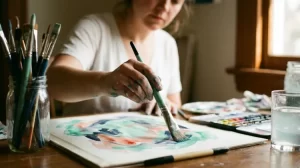
 For many artists, creativity is closely connected to emotion, personal experiences, and the way they understand the world. While this connection can produce meaningful work, it can also make emotional challenges difficult to manage. Stress, anxiety, depression, and addiction may affect an artist’s ability to create, maintain relationships, and feel confident in everyday life. When substance use becomes part of the picture, finding a healthier balance can feel especially challenging. However, recovery does not require artists to give up their creative identity. With the right mental health support, addiction treatment, and practical wellness habits, artists can protect their sobriety while continuing to grow creatively.
Understanding the Connection Between Creativity and Emotional Wellness
Creative work often requires vulnerability. Painful memories, personal struggles, and strong emotions may influence an artist’s work. At the same time, spending long hours alone, facing financial uncertainty, and dealing with criticism can create additional pressure.
Some artists may feel that emotional intensity is necessary for meaningful creativity. This belief can make it difficult to recognize when stress or mental health symptoms require attention. Others may become accustomed to using alcohol or drugs to manage anxiety, improve confidence, or escape uncomfortable feelings.
Although substances may appear to offer temporary relief, they can eventually interfere with concentration, motivation, physical health, and emotional stability. They may also make it harder to maintain consistent creative routines.
Recognizing the connection between mental health and artistic life is an important first step. Artists deserve support that considers both their emotional needs and their personal goals.
Why Sobriety Can Be Challenging for Artists
Addiction recovery involves more than stopping substance use. It often requires changing routines, relationships, environments, and beliefs that have become connected to using substances.
For artists, these changes can bring specific concerns.
Separating Creativity From Substance Use
An artist may associate certain substances with inspiration, confidence, or the ability to overcome creative blocks. This association can become a powerful psychological barrier during recovery.
However, creativity does not depend on addiction. While substances may temporarily change perception or reduce inhibitions, they can also disrupt judgment, memory, sleep, and emotional regulation. Over time, these effects may make creative work more difficult rather than more productive.
Developing new creative routines helps artists discover that they can make meaningful work while sober. It may take patience to adjust, but a clear mind can support greater consistency and control over the creative process.
Managing Loneliness and Performance Pressure
Many creative professionals work independently. Even artists who regularly collaborate with others may experience isolation, especially when they face rejection, financial instability, or pressure to meet deadlines.
Loneliness can increase the risk of returning to unhealthy coping habits. Similarly, the expectation to produce exceptional work can create anxiety and exhaustion.
Building supportive relationships is essential. Connecting with trusted friends, family members, recovery groups, or mental health professionals can provide encouragement when creative and personal challenges become difficult to manage.
Building Emotional Wellness During Addiction Recovery
Emotional wellness is an important part of lasting sobriety. Artists benefit from learning how to recognize their feelings, respond to stress, and maintain healthy boundaries without relying on substances.
Develop a Consistent Daily Routine
Creative freedom is valuable, but a lack of structure can make recovery harder. Irregular sleep, missed meals, and unpredictable schedules may contribute to emotional instability.
A practical routine can include:
- Maintaining consistent sleeping and waking times.
- Eating regular, balanced meals.
- Scheduling time for creative work and personal responsibilities.
- Including physical activity, such as walking, stretching, or exercise.
- Setting aside time for relaxation and social connection.
- Attending therapy, recovery meetings, or other scheduled support.
These habits may seem simple, but consistency can help create a more stable foundation for mental health and sobriety.
Learn Healthier Ways to Manage Stress
Stress is unavoidable, particularly in creative careers where deadlines, financial concerns, and public feedback can influence confidence. The goal is not to eliminate every stressful experience. Instead, artists can develop healthier responses.
Journaling, breathing exercises, meditation, and time outdoors can help reduce tension. Creative activities can also provide emotional expression without becoming a substitute for professional treatment.
For example, an artist might use sketching, music, photography, or writing to explore feelings that are difficult to communicate verbally. The important distinction is that creative expression should support emotional wellness rather than replace needed mental health care.
Set Boundaries Around Work and Personal Life
Artists may feel pressure to accept every opportunity, remain constantly available, or keep working until a project feels perfect. These expectations can lead to burnout.
Setting boundaries allows time for rest, relationships, and recovery responsibilities. It is reasonable to decline projects that create unnecessary stress, take breaks from social media, and protect time for activities unrelated to professional success.
Rest is not a lack of ambition. It is part of maintaining the energy and emotional stability needed for long-term growth.
How Professional Treatment Supports Artists in Recovery
Self-care habits are useful, but they may not be enough for someone dealing with substance dependence, depression, anxiety, trauma, or other mental health concerns. Professional treatment can address the underlying issues that contribute to substance use while helping individuals build practical recovery skills.
Individualized Addiction and Mental Health Treatment
Every artist has a different background, set of challenges, and recovery goals. An individualized treatment plan considers factors such as substance use history, mental health symptoms, personal responsibilities, and available support.
Treatment may include individual therapy, group counseling, behavioral approaches, and medical care when appropriate. A qualified professional can also assess whether co-occurring mental health conditions need attention alongside addiction treatment.
Addressing both concerns is important. When anxiety, depression, or trauma remains untreated, these difficulties may continue to affect recovery.
Understanding Inpatient and Outpatient Care
The appropriate level of treatment depends on an individual’s needs and clinical circumstances.
Inpatient treatment provides a structured setting where individuals can receive consistent support and focus on recovery away from everyday triggers. It may be appropriate for people who need a higher level of care or a more stable environment.
Outpatient treatment allows individuals to attend scheduled treatment sessions while continuing to manage responsibilities such as work, education, and family commitments. This option can help people practice recovery skills in their everyday environments while remaining connected to professional support.
A qualified treatment provider can help determine which level of care is appropriate. Some individuals may also transition from inpatient services to outpatient support as their needs change.
The Role of Holistic and Faith-Based Approaches
Recovery involves more than addressing substance use. Physical health, emotional balance, personal values, and meaningful relationships can all influence a person’s well-being.
Holistic approaches may complement evidence-based addiction and mental health treatment by encouraging healthy routines, physical activity, mindfulness, and creative expression. These practices can help individuals reconnect with themselves and develop healthier ways to manage difficult emotions.
For artists who value spirituality, faith-based support may also provide purpose, encouragement, and a sense of connection. Prayer, spiritual reflection, and supportive faith communities can become meaningful parts of a personal recovery plan.
These approaches should be tailored to individual beliefs and needs. They work best as part of appropriate professional care, not as replacements for medical or psychological treatment when those services are necessary.
Rediscovering Creativity Without Sacrificing Recovery
Sobriety can create opportunities for artists to develop a healthier relationship with their work. Rather than depending on emotional crises or unhealthy habits for inspiration, they can explore creativity with greater intention.
Focus on Progress Instead of Perfection
Creative growth takes time. During recovery, an artist may experience changes in concentration, motivation, confidence, or energy. Comparing current work with previous achievements can create unnecessary frustration.
Setting realistic goals helps reduce this pressure. Completing a small project, practicing a skill, or experimenting with a different medium can provide a sense of accomplishment without demanding perfection.
Explore New Sources of Inspiration
Artists can find inspiration through everyday experiences, relationships, nature, learning, and personal reflection. Exploring unfamiliar subjects or creative techniques can also make the artistic process feel fresh.
Most importantly, artists can allow their work to change as they grow. Recovery may influence their perspective, priorities, and creative interests. That change does not diminish their artistic identity. It can become part of a more stable and meaningful creative life.
Taking the Next Step Toward a Healthier Creative Life
Balancing emotional wellness, sobriety, and creative growth is an ongoing process. Artists may encounter difficult days, creative setbacks, and moments of uncertainty. These experiences do not mean recovery is failing. They are reminders of the importance of consistent support, healthy boundaries, and realistic expectations.
Professional addiction recovery and mental health treatment can help artists address substance use, manage emotional challenges, and build a stable foundation for the future. With individualized care, appropriate inpatient or outpatient support, and healthy practices that reflect their personal values, they can work toward a life that supports both well-being and creativity.
If addiction or mental health concerns are affecting your ability to live and create the way you want, consider reaching out for professional help. You do not have to choose between recovery and your artistic identity. Making space for healing can help you protect both.