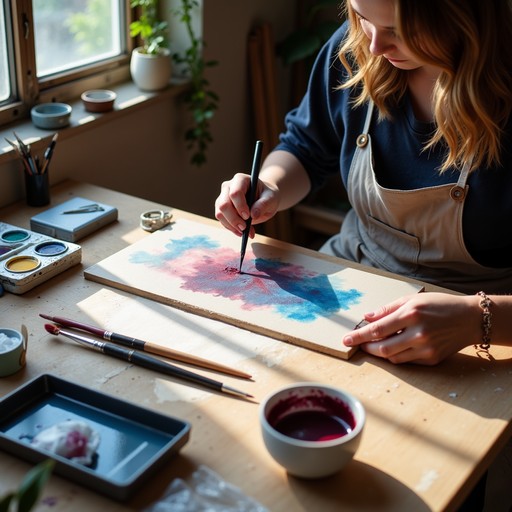
 The applause may be loud, the artwork may receive recognition, and the creative career may appear successful from the outside. Yet, when the audience goes home and the spotlight fades, many artists face a much quieter struggle. Loneliness, anxiety, and depression can affect artists at every stage of their careers, regardless of talent, experience, or public recognition. The pressure to create, perform, meet expectations, and maintain a public image can take a serious toll on emotional well-being. Recognizing these challenges is an important first step toward protecting mental health and finding a healthier balance between creative expression and everyday life.
Why Loneliness Can Affect Artists So Deeply
Creative work often requires long periods of concentration, personal reflection, and independent effort. Painters may spend hours alone in a studio, writers may withdraw to finish a manuscript, and musicians may dedicate much of their time to practicing or composing. Although solitude can encourage creativity, too much isolation can gradually affect emotional health.
Artists may also experience loneliness even when surrounded by people. Public recognition does not always create meaningful personal connections. Someone may receive praise for their work while privately feeling misunderstood, unsupported, or disconnected from others.
The Difference Between Solitude and Isolation
Solitude is often a valuable part of the creative process. It gives artists room to think, experiment, and develop their ideas. Isolation, however, can become harmful when someone begins avoiding relationships, withdrawing from social activities, or feeling unable to discuss personal struggles.
Over time, isolation may contribute to sadness, low motivation, anxiety, and a reduced sense of belonging. Artists who rely entirely on their work for emotional fulfillment may also find it difficult to maintain a healthy identity outside their creative achievements.
Building connections beyond the artistic community can help restore balance. Regular conversations with trusted friends, family members, mentors, or support groups provide opportunities to feel understood without needing to produce something in return.
Understanding Anxiety and Depression in Creative Careers
The creative industry can involve uncertainty, financial pressure, competition, criticism, and unpredictable opportunities. These challenges can create ongoing stress, particularly when an artist feels that every project must succeed.
Anxiety may appear as constant worry about future opportunities, fear of negative feedback, difficulty sleeping, or an inability to relax between projects. Depression can involve persistent sadness, emotional numbness, fatigue, loss of interest, and difficulty finding motivation.
When Creative Pressure Becomes Emotional Distress
Many artists connect their identity closely to their creative abilities. As a result, criticism or professional setbacks may feel like personal failures rather than ordinary parts of a career.
For example, a musician who receives negative feedback may begin questioning their talent. A writer facing rejection may lose confidence in their ideas. A visual artist experiencing a period without commissions may feel that their entire identity is being challenged.
These experiences do not automatically indicate a mental health disorder. However, when emotional distress becomes persistent or interferes with daily life, professional support can make a meaningful difference.
Artists should pay attention to warning signs such as:
- Losing interest in creative activities that once felt rewarding.
- Feeling persistently sad, hopeless, anxious, or emotionally exhausted.
- Withdrawing from friends, family, and professional relationships.
- Struggling with concentration, sleep, or everyday responsibilities.
- Using alcohol or other substances to manage stress or uncomfortable emotions.
- Feeling that personal worth depends entirely on artistic success.
Recognizing these patterns early can help someone seek support before the difficulties become more disruptive.
The Connection Between Mental Health and Substance Use
When loneliness, anxiety, or depression becomes difficult to manage, some artists turn to alcohol or drugs in an attempt to escape emotional discomfort. Substance use may initially seem like a way to relax, reduce social anxiety, improve sleep, or temporarily silence negative thoughts.
However, relying on substances to cope can create additional challenges. Substance use may interfere with relationships, physical health, professional responsibilities, and emotional stability. It can also make existing mental health symptoms harder to manage.
Why Self-Medicating Can Become a Cycle
An artist experiencing anxiety may use alcohol before a performance or social event. Someone dealing with depression may turn to substances to avoid painful feelings. Although these choices may offer temporary relief, the underlying emotional concerns remain.
As substance use continues, a cycle can develop. Emotional distress encourages further use, while the consequences of substance use create additional stress, guilt, isolation, or financial difficulties.
This pattern does not mean someone lacks discipline or commitment. Addiction is a complex condition that can involve biological, psychological, and environmental factors. Effective recovery requires understanding the circumstances contributing to substance use rather than relying on shame or blame.
Practical Ways Artists Can Protect Their Mental Health
Managing loneliness, anxiety, and depression requires more than simply taking a break from creative work. Artists benefit from developing routines and relationships that support their emotional health alongside their professional goals.
1. Build a Life Beyond Creative Achievement
Creative work can be an important part of personal identity, but it should not become the only source of self-worth. Make time for relationships, hobbies, physical activity, and experiences that have nothing to do with professional recognition.
Remember that you are valuable as a person, not only because of what you create.
2. Maintain Meaningful Social Connections
Make an effort to stay connected with people who offer genuine support. Schedule regular conversations, spend time with friends, and consider joining a creative community where collaboration and encouragement are part of the experience.
If discussing mental health feels uncomfortable, begin with someone you trust. You do not need to explain everything at once to benefit from human connection.
3. Establish Healthy Creative Boundaries
Constantly working can increase exhaustion and make anxiety more difficult to manage. Set realistic working hours, take breaks, and recognize when a project needs to wait.
Rest is not a sign of laziness or a lack of ambition. It is an important part of maintaining long-term well-being.
4. Use Healthy Ways to Process Difficult Emotions
Journaling, mindfulness, exercise, meditation, and creative expression can provide constructive ways to process stress. Some artists also find meaning in spiritual practices or faith-based communities.
These approaches can complement professional mental health treatment. However, they should not replace clinical care when symptoms are severe or persistent.
5. Seek Professional Help When Needed
If anxiety, depression, loneliness, or substance use begins interfering with everyday life, speaking with a qualified mental health professional is an important step.
Therapy can help artists understand emotional triggers, develop healthier coping strategies, address underlying concerns, and rebuild confidence. When addiction and mental health challenges occur together, coordinated treatment can address both areas rather than treating them as unrelated problems.
Finding the Right Addiction Recovery and Mental Health Support
There is no single recovery path that works for every artist. Personal history, substance use patterns, mental health needs, relationships, and individual goals all influence the type of care that may be appropriate.
Depending on a person’s circumstances, treatment may involve outpatient services, inpatient care, or a combination of approaches. Outpatient treatment can allow individuals to receive structured support while continuing with certain daily responsibilities. Inpatient care may provide a more structured environment for people who need a higher level of support.
Individualized Treatment That Respects the Whole Person
Effective care should recognize that an artist is more than a diagnosis or a substance use history. Treatment can explore emotional health, personal relationships, physical well-being, and the experiences that may contribute to distress.
Holistic approaches may incorporate practices that support the mind and body, while faith-based options can offer spiritual guidance for individuals who value that part of their recovery. These approaches can be considered alongside appropriate clinical treatment.
Most importantly, treatment should respect personal circumstances and provide realistic goals. Recovery does not require someone to abandon their artistic identity. With suitable support, artists can work toward healthier coping skills, stronger relationships, and a more balanced relationship with creativity.
You Are More Than the Applause
When the applause fades, the need for connection, understanding, and emotional support does not disappear. Artists deserve the opportunity to experience fulfillment beyond professional recognition. Loneliness, anxiety, depression, and addiction are serious challenges, but they do not have to define a person’s future or end their creative journey.
If emotional distress or substance use is affecting your life, consider reaching out for professional help. The right support can help you understand what you are experiencing, explore treatment options, and begin building healthier ways to manage difficult emotions. Whether that involves outpatient care, inpatient treatment, holistic support, or an individualized recovery plan, taking the first step matters.
Your creativity is meaningful, but your well-being matters just as much. You do not have to struggle alone, and you do not need to wait until everything falls apart before asking for help. A healthier, more fulfilling life can begin with one honest conversation.