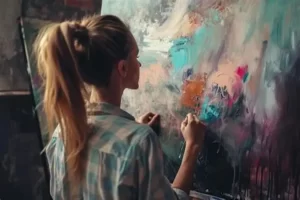
 Creativity often requires patience, emotional openness, and a willingness to take risks. Artists may draw inspiration from personal experiences, relationships, and difficult emotions. While this can make creative work meaningful, it can also make rejection and criticism feel deeply personal.
In addition, many artists face challenges that extend beyond the creative process. Irregular income, unpredictable schedules, professional competition, and the need to maintain visibility can create ongoing stress. Without enough time to rest and recover, these pressures may contribute to anxiety, emotional exhaustion, or burnout.
The Expectation to Always Produce
Artists may feel that taking a break means losing momentum or missing an important opportunity. Freelancers, performers, and independent creators can face particular pressure because their income may depend on completing projects or securing their next job.
However, constant productivity is not a reliable measure of artistic ability or personal worth.
Working while exhausted can make it harder to concentrate, make decisions, and enjoy the creative process. Over time, an artist may begin to associate their passion with anxiety rather than satisfaction.
Creating a more sustainable routine can help. Set realistic working hours, schedule breaks, and make time for activities that have nothing to do with professional achievement. Rest is part of maintaining a healthy creative life.
Perfectionism and Fear of Failure
Perfectionism can encourage attention to detail, but it can also make creative work unnecessarily stressful. An artist who constantly criticizes their work may struggle to finish projects, accept feedback, or appreciate progress.
Fear of failure can also lead to procrastination. When every project feels like a test of personal worth, beginning something new may become intimidating.
To manage this pressure, try setting goals based on effort and learning rather than perfect results. Completing a draft, experimenting with a new technique, or accepting constructive feedback can all represent progress.
Most importantly, remember that a disappointing outcome does not define your value as a person or artist.
Recognizing the Signs of Creative Burnout
Creative burnout can develop gradually. At first, an artist may simply feel tired or less motivated. Eventually, however, the exhaustion can affect emotional health, professional responsibilities, and personal relationships.
Recognizing the warning signs makes it easier to respond before the pressure becomes overwhelming.
Emotional and Physical Warning Signs
Signs that creative pressure may be affecting your well-being include:
- Persistent exhaustion, even after resting.
- Difficulty concentrating or making creative decisions.
- Increased irritability, worry, or frustration.
- Losing enjoyment in activities that once felt meaningful.
- Trouble sleeping or maintaining regular meals.
- Withdrawing from friends, family, or colleagues.
- Feeling guilty whenever you take time off.
- Using alcohol or drugs to relax, sleep, or keep working.
- Feeling that your worth depends entirely on your latest achievement.
These signs do not necessarily indicate a mental health condition. Nevertheless, persistent symptoms deserve attention, particularly when they interfere with everyday life.
If you notice several of these patterns, consider talking with a mental health professional. You do not need to wait until you can no longer work before asking for help.
When Stress Leads to Unhealthy Coping Habits
When creative pressure becomes difficult to manage, artists may look for ways to quiet their thoughts or temporarily escape uncomfortable feelings. Some turn to excessive work, social withdrawal, or other habits that offer short-term relief but create additional problems.
For others, alcohol or drugs may gradually become part of the creative routine.
Understanding the Connection Between Anxiety and Addiction
An artist might drink before a performance to feel less nervous, use substances to cope with rejection, or rely on alcohol after a demanding workday. Initially, these behaviors may seem like effective ways to manage stress.
However, repeated substance use can become difficult to control. Over time, it may affect sleep, mood, concentration, relationships, and physical health. Some substances can also worsen anxiety or depression, creating a cycle in which a person uses them to relieve symptoms that become more difficult to manage.
Warning signs include needing substances more frequently, struggling to cut back, experiencing cravings, or feeling unable to perform or socialize without using them.
If this sounds familiar, it is important to approach the situation without shame. Addiction is a health concern, not a character flaw. Professional treatment can help address substance use alongside the stress, anxiety, or other emotional difficulties that may contribute to it.
Creativity Does Not Require Suffering
The idea that great art must come from personal suffering can make it harder for artists to recognize when they need help. Some may worry that becoming healthier or achieving sobriety will reduce their emotional depth or change their creative identity.
In reality, suffering is not a requirement for meaningful art.
Artists can create powerful work while maintaining healthy relationships, getting enough rest, managing their mental health, and living without substance dependence. Recovery does not erase personal experience. It can help artists develop a healthier relationship with those experiences.
Practical Ways Artists Can Protect Their Mental Health
Protecting mental health does not mean avoiding every challenge or eliminating stress entirely. Instead, it involves building habits that make everyday pressures easier to manage.
Small, consistent changes can help artists regain balance without abandoning their creative goals.
Establish Boundaries Around Creative Work
Set limits that protect your time and energy. Depending on your circumstances, this might mean establishing a regular stopping time, limiting late-night work, taking breaks between projects, or declining opportunities that would leave you overwhelmed.
Boundaries can be difficult when financial security or professional recognition feels uncertain. Start with manageable changes rather than expecting yourself to overhaul your entire schedule.
For example, you might reserve one evening each week for friends or family, take a proper lunch break, or avoid checking work messages before bed.
These decisions can help prevent creative work from consuming every part of your life.
Build Healthy Ways to Manage Stress
Develop a range of coping strategies so that work does not become your only source of relief.
Consider trying:
- Journaling: Write down difficult thoughts and identify recurring stressors.
- Physical activity: Walk, stretch, cycle, or choose another activity that helps you release tension.
- Mindfulness: Practice paying attention to the present moment without judging every thought or feeling.
- Time outdoors: Spend time in a park, garden, or other setting away from your workspace.
- Social connection: Talk with someone you trust instead of handling every challenge alone.
- Creative play: Draw, write, make music, or experiment without expecting a finished product.
- Spiritual practices: If faith is important to you, consider prayer, reflection, or participation in a supportive faith community.
Different strategies work for different people. Experiment to find approaches that suit your needs, and seek professional guidance when stress, anxiety, depression, or substance use requires additional care.
Make Room for Life Outside Your Artistic Identity
Creative work can be an important part of who you are, but it does not have to define your entire identity.
Spend time with people who value you beyond your achievements. Maintain hobbies that are not connected to your profession. Allow yourself to enjoy ordinary experiences without turning them into opportunities for productivity.
These activities can help you remember that your life has value even when you are not producing work, receiving recognition, or reaching a professional milestone.
How Professional Mental Health and Addiction Treatment Can Help
Sometimes, healthy routines and self-help strategies are not enough. If creative pressure is contributing to persistent anxiety, depression, harmful substance use, or difficulty functioning, professional treatment can provide more focused support.
Treatment can help you understand your emotional triggers, identify unhealthy patterns, and develop practical ways to manage stress. It can also address underlying concerns that may not improve simply by taking a break from work.
Inpatient Treatment for More Intensive Support
Inpatient treatment may be appropriate for individuals who need a structured environment and intensive support for addiction or related mental health concerns.
For artists, stepping away from a creative career can feel unsettling. There may be concerns about missed deadlines, lost income, or falling behind professionally.
However, prioritizing health can be an important investment in long-term stability. A structured treatment setting may provide time to focus on recovery, develop coping skills, and address substance use without the usual demands of daily life.
The appropriate level of care depends on individual circumstances, clinical needs, and professional recommendations.
Outpatient Treatment for Everyday Life
Outpatient treatment allows individuals to receive professional support while continuing appropriate responsibilities at home, work, or within their creative careers.
Depending on the program, care may include individual counseling, group therapy, recovery planning, and support for managing stress and emotional triggers.
This approach can help artists apply new coping skills to real-life challenges while remaining connected to professional guidance. However, outpatient care is not suitable for every situation, so a qualified professional can help determine the right level of support.
Individualized and Holistic Recovery
No two artists experience creative pressure, addiction, or mental health challenges in exactly the same way. Personal history, financial circumstances, relationships, physical health, and artistic goals can all influence treatment needs.
An individualized approach recognizes these differences and helps ensure that care addresses the person rather than focusing only on a diagnosis or behavior.
Holistic care can also consider physical wellness, emotional health, relationships, personal values, and spirituality. For individuals who value faith, spiritual support may complement professional treatment and provide an additional source of meaning and hope.
Mi Arte Es Su Arte’s focus on addiction recovery and mental health makes these considerations relevant for artists seeking support that respects their personal experiences and creative identity.
Rebuilding a Healthier Relationship With Creativity
Protecting mental health does not mean giving up ambition. It means pursuing creative goals in ways that do not continually undermine your well-being.
As you recover from burnout or address addiction, consider redefining what a successful creative life looks like.
Success might mean finishing a project without neglecting sleep, accepting feedback without harsh self-criticism, or taking a break without feeling guilty. It might also mean asking for help, maintaining sobriety, or reconnecting with people you have missed.
Let Creativity Become an Enjoyable Part of Life Again
Try setting aside time for creative activities that have no professional purpose. Write privately, sketch without planning to share the result, play music for enjoyment, or experiment with a medium you have never used before.
Removing the expectation of achievement can help you reconnect with curiosity and enjoyment.
If you are recovering from addiction, creative expression may also provide a useful way to explore emotions. However, it should complement professional care rather than carry the entire responsibility for your mental health.
Give yourself permission to develop at your own pace. You do not have to prove your dedication by remaining exhausted, isolated, or overwhelmed.
Take the Next Step Toward Better Mental Health
Creative pressure can affect more than an artist’s work. It can influence relationships, physical health, emotional stability, and the ability to enjoy life outside the studio. When stress becomes persistent or alcohol and drugs become a regular coping strategy, seeking support can help prevent those patterns from becoming more difficult to change.
You deserve support before you reach a breaking point.
Mi Arte Es Su Arte focuses on addiction recovery and mental health support, with inpatient and outpatient options and holistic and faith-based approaches. If creative pressure is affecting your well-being, consider reaching out to a qualified professional to discuss your concerns and explore treatment options that fit your needs.
You do not have to choose between your health and your artistic goals. With healthier routines, supportive relationships, and appropriate care, you can work toward a future that makes room for both.
Your creativity matters, but so does the person behind it. Give your mental health the same care and attention you give your craft, and take the first step toward a healthier, more sustainable creative life.